Bea Meyer
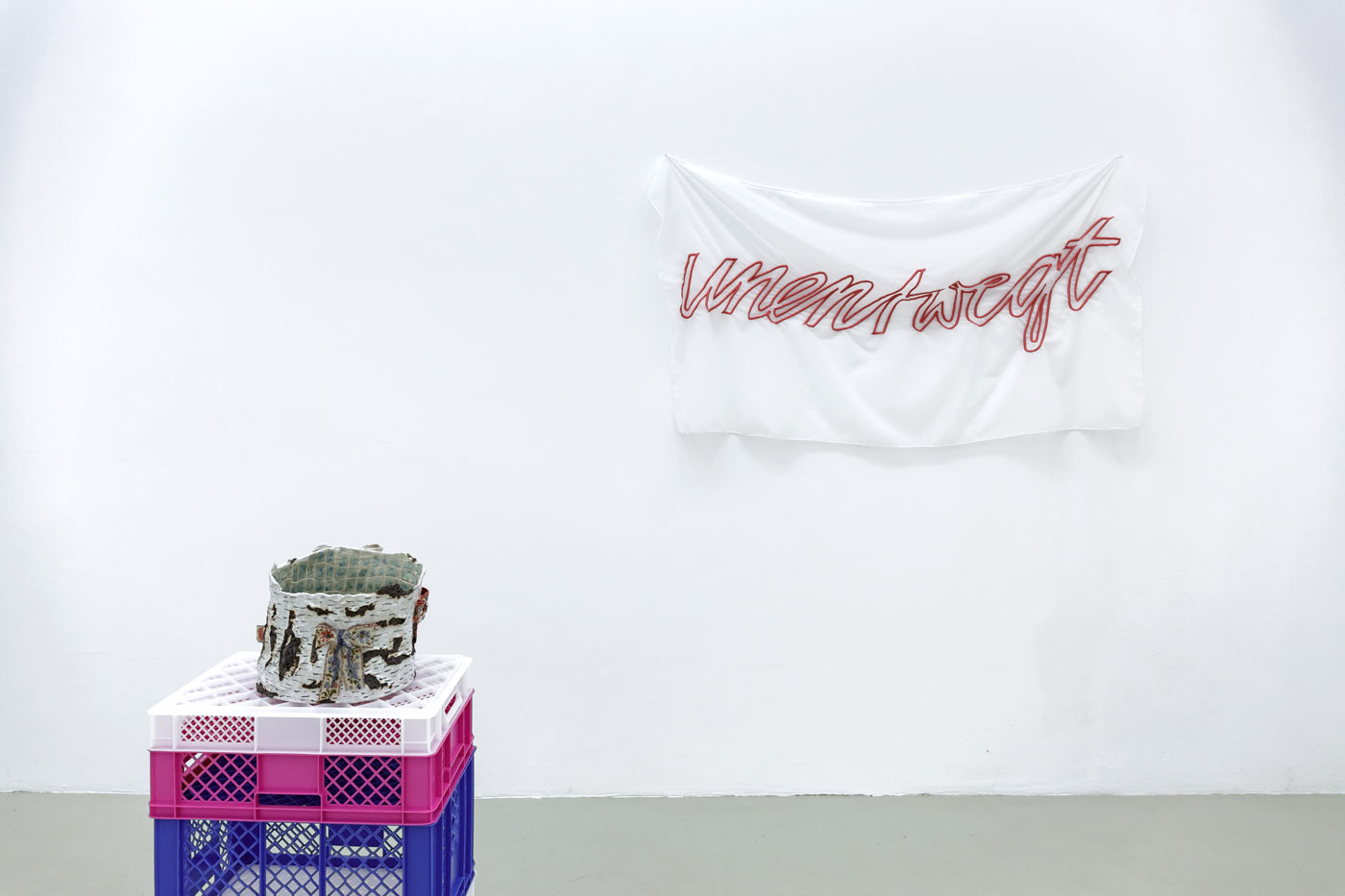
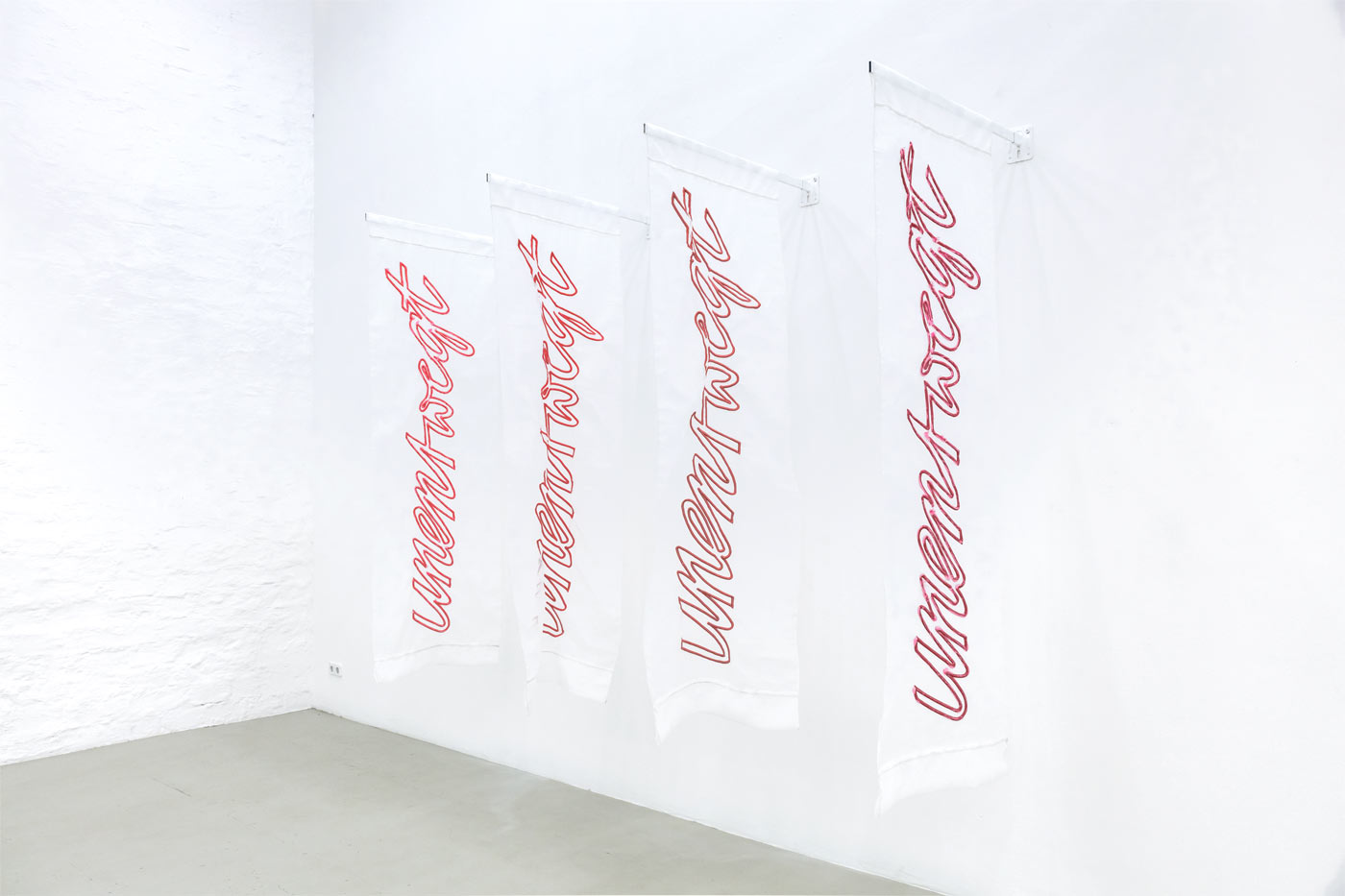
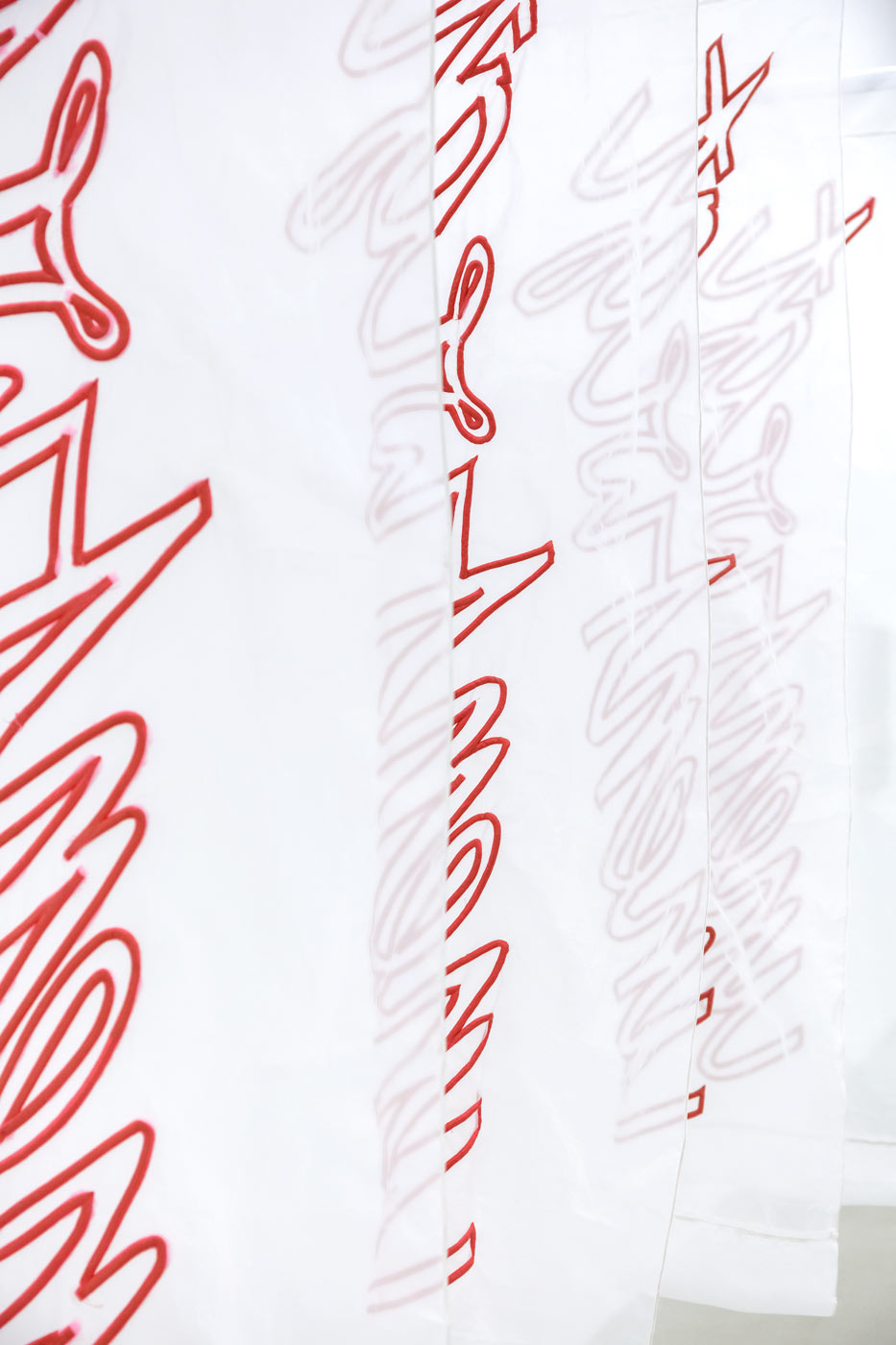
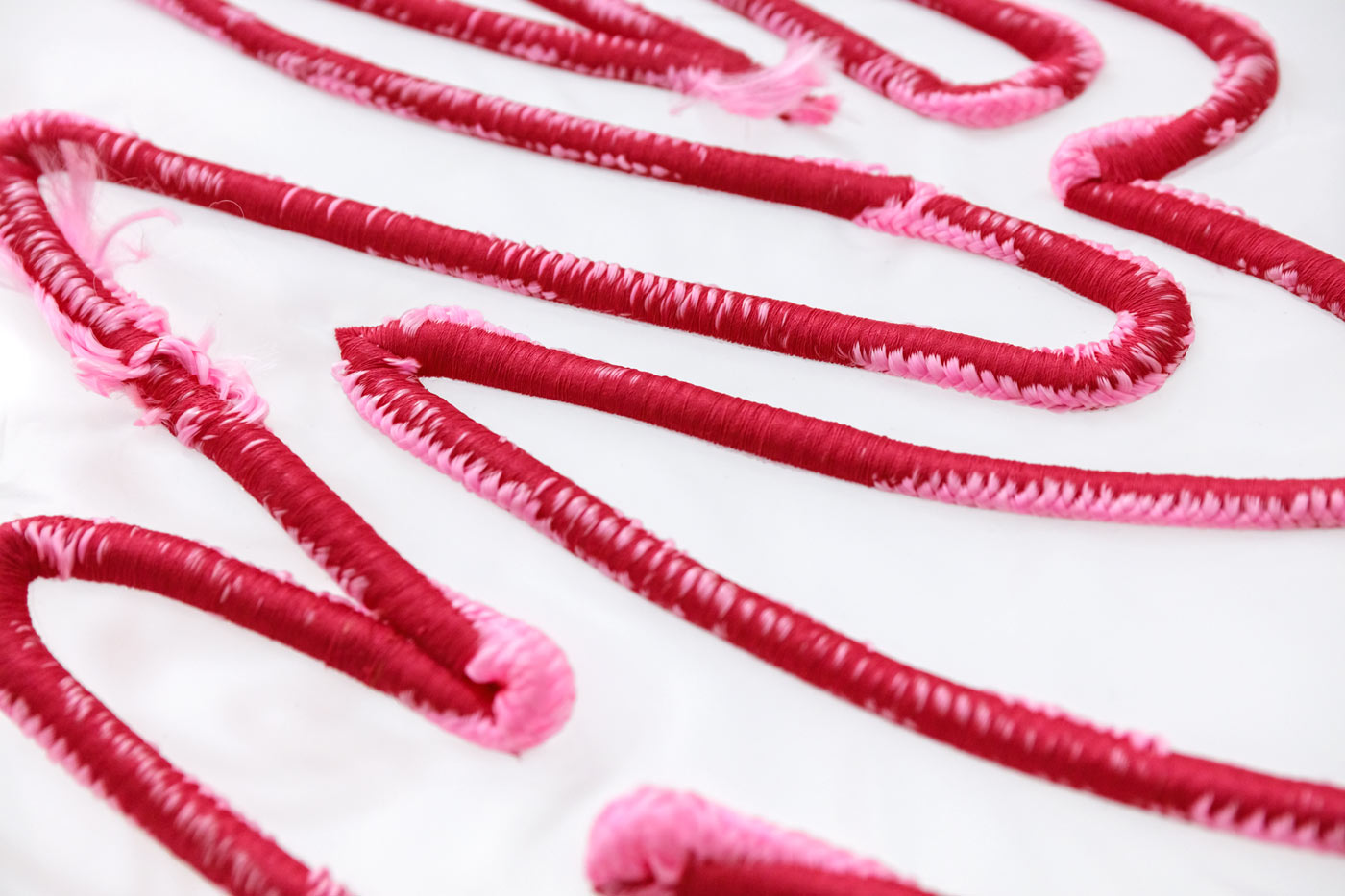
Unentwegt. Unceasingly, unswervingly. A word that unceasingly eludes the mind. It tries to hold on to it; for a moment it succeeds, and then the word already moves on. Time flickers within it, as does something spatial. It speaks of one who persistently follows her path. She has been doing so for a long time. So it is hardly surprising that it is Bea Meyer who has found the means to capture this elusive word, along with its contradictions: heavy, the cord wrapped in embroidery thread clings to the airy screen-printing mesh. Lightly, the luminous lettering rests upon the solid fabric.
Unentwegt is a disguised Janus word, a resolute statement that always contains its opposite as well. As the negation of the Swiss German entwegen, “to move from the spot,” it proclaims a holding fast to a place, and yet in the very same instant it hurries away. It is stillness and restlessness, calming and unsettling. This sensitivity to the duality of things is characteristic of Bea Meyer’s work; what is new is its chromatic expression: in a strong, saturated pink, the artist’s handwriting flows across the white background. A colour that demands to be looked at. The eye follows the rise and fall of the curved letters until it stumbles over the pale pink tufts that sprout like buds from the branches of the writing. They break out of the fixed form, reminding us that beneath even the smoothest surface, things can be very much alive. The tufts reach out into the open, wanting to lose their form.
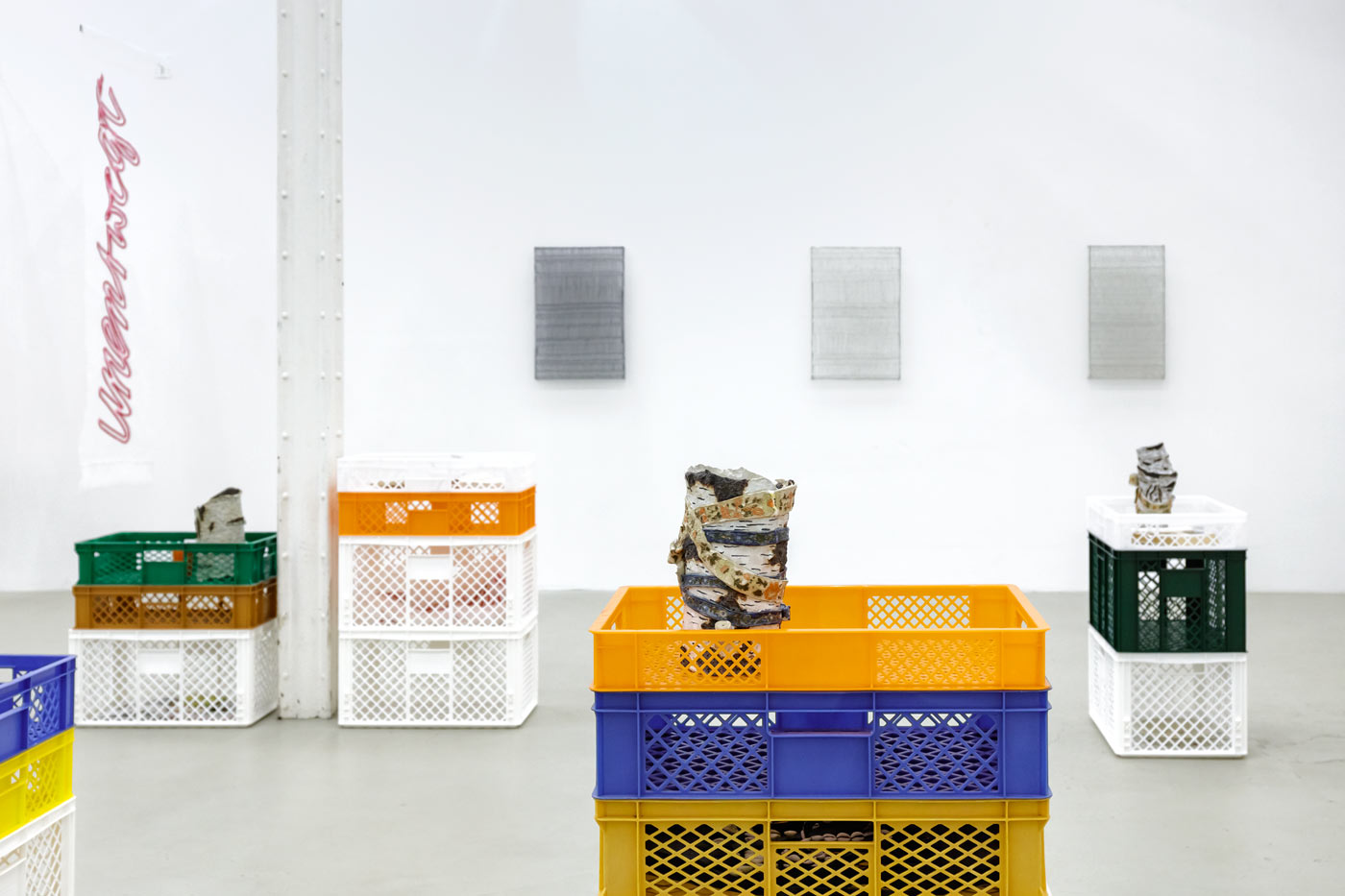
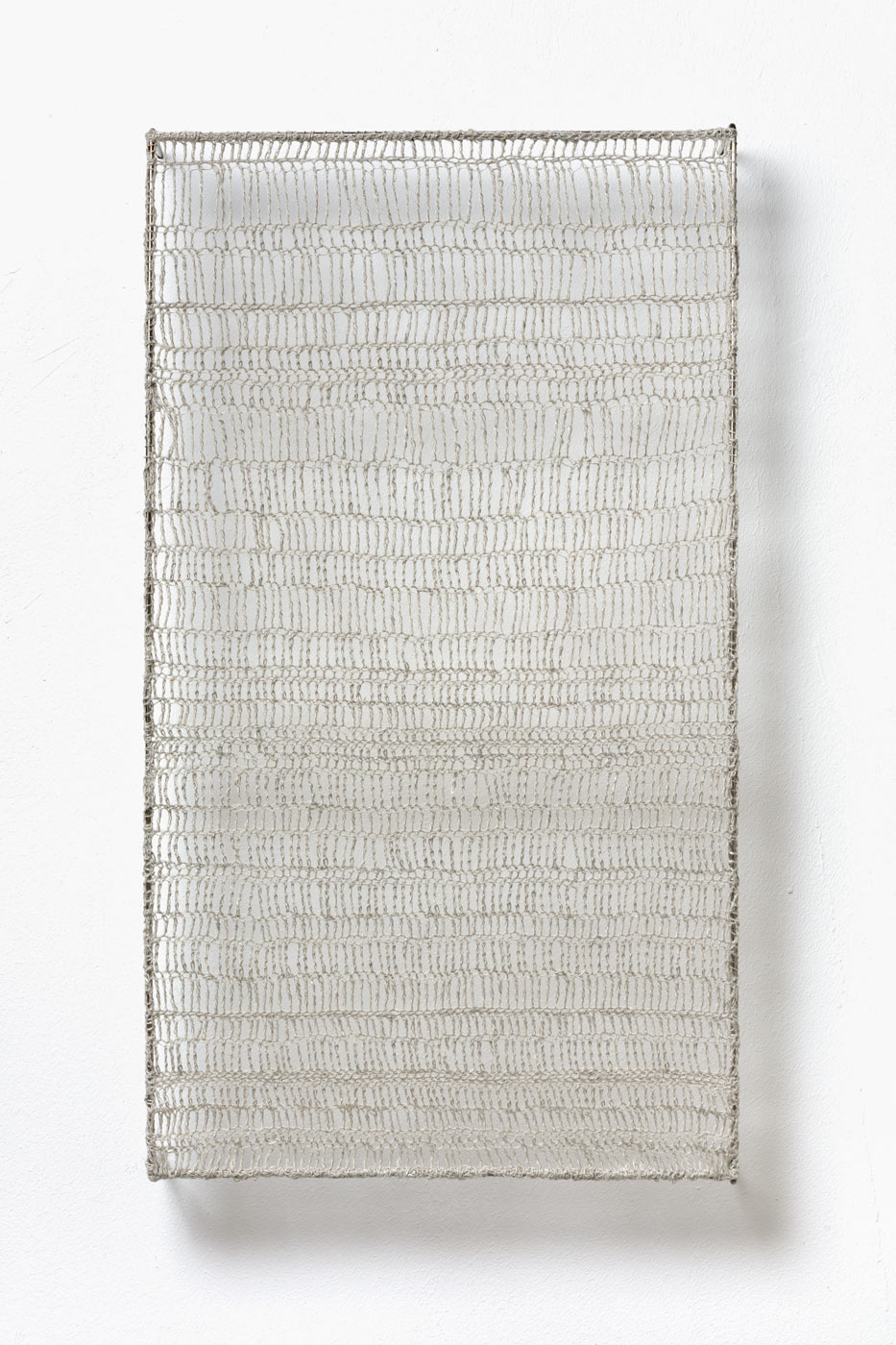
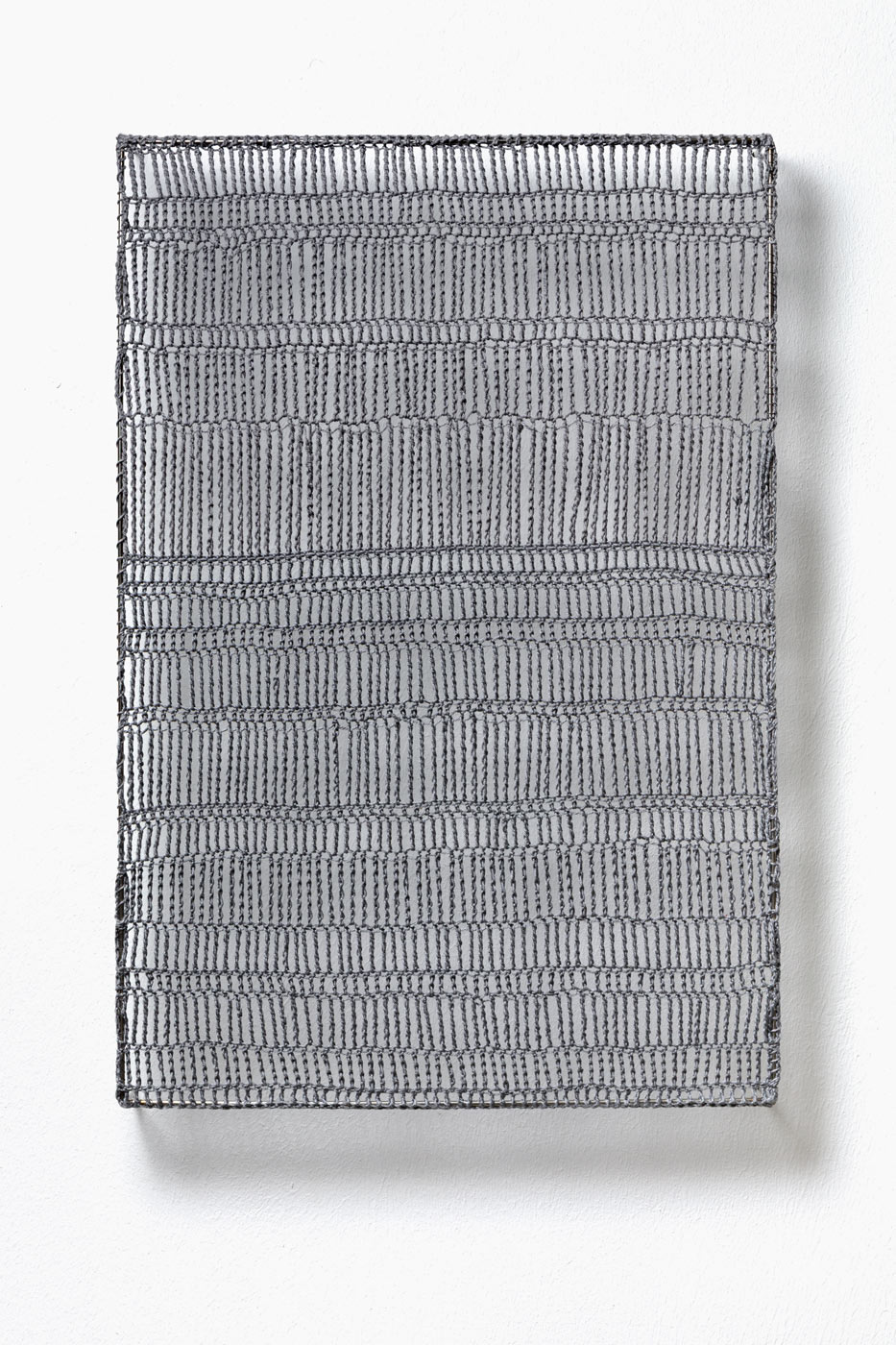
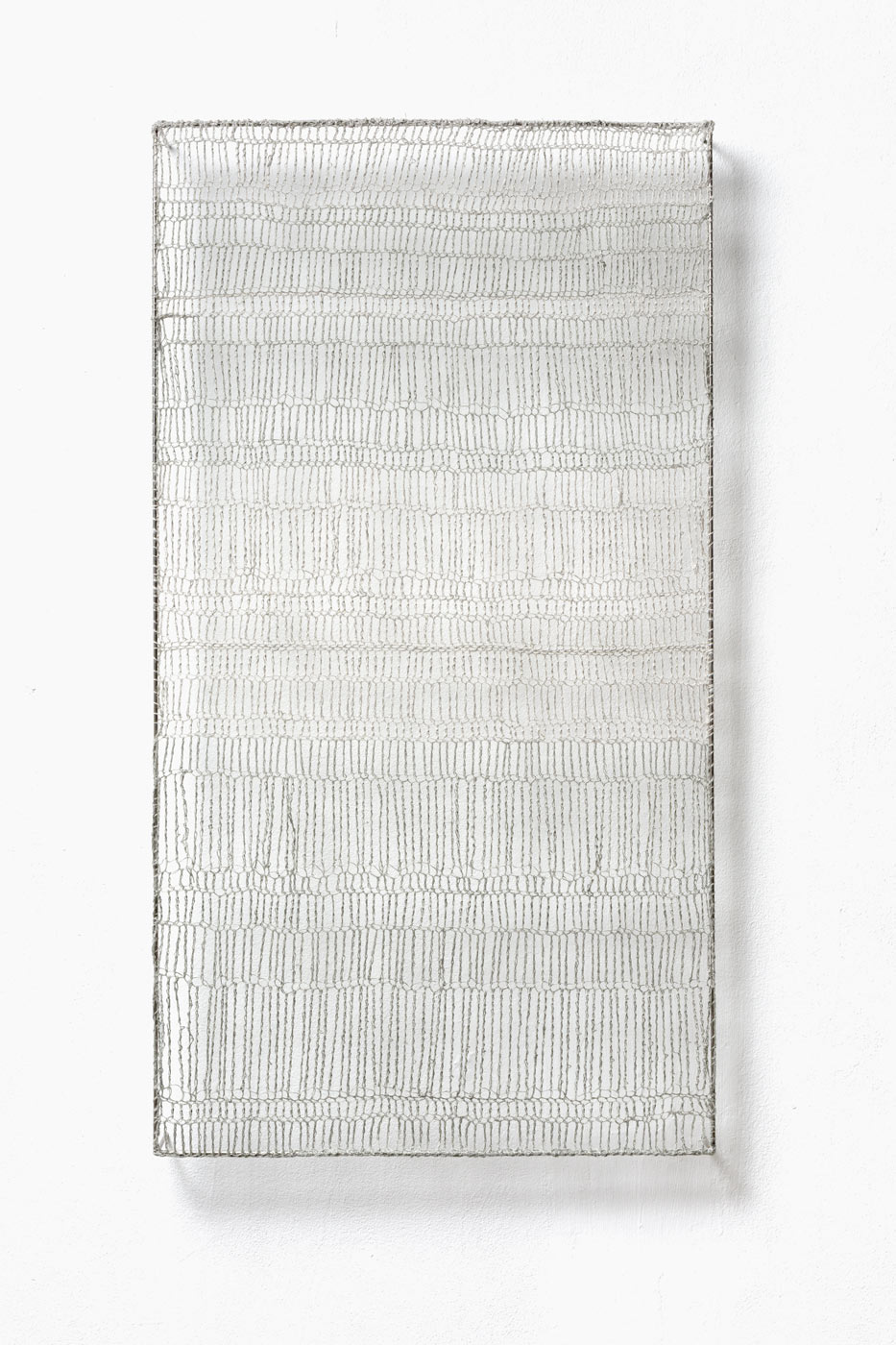
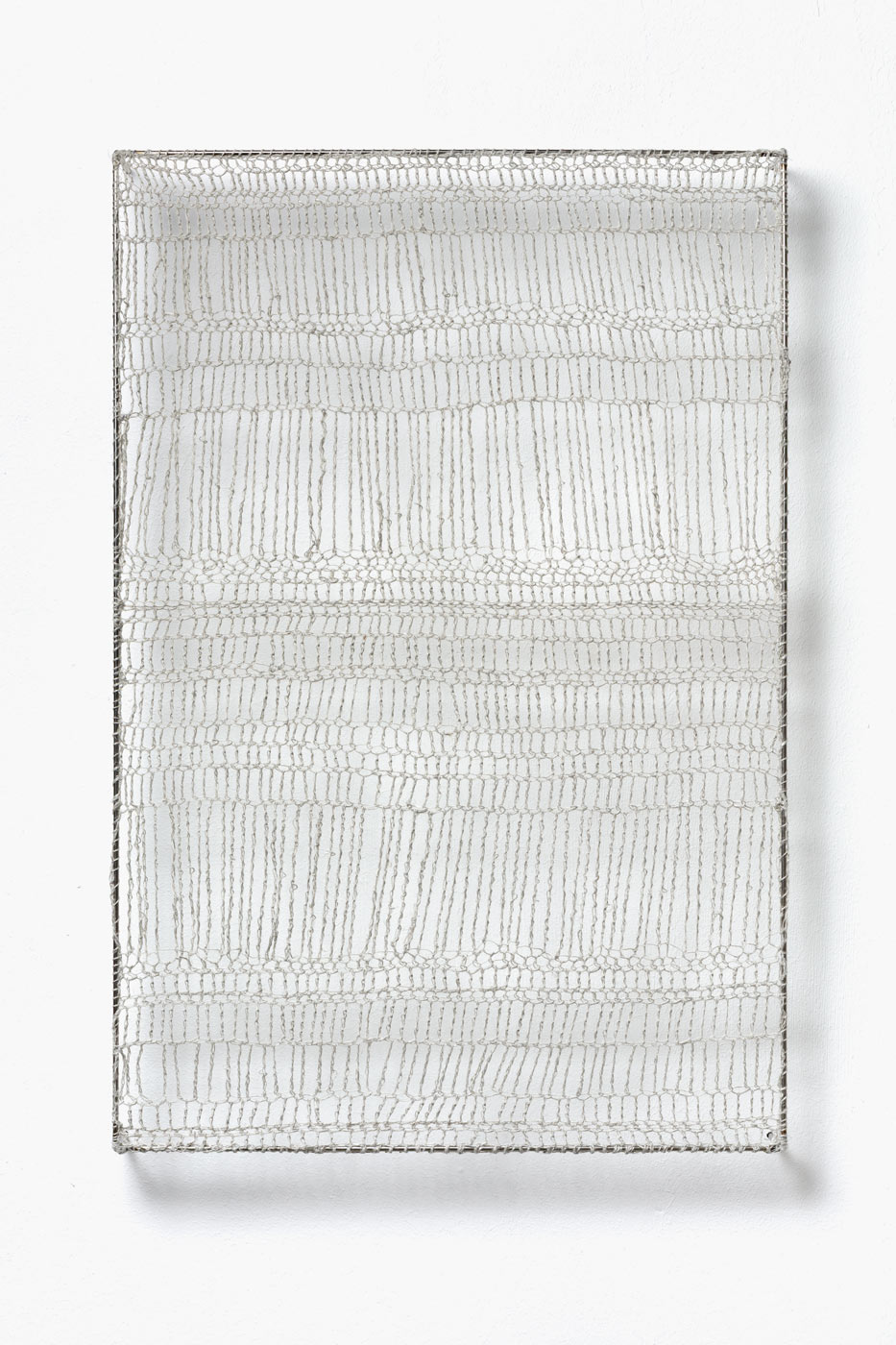
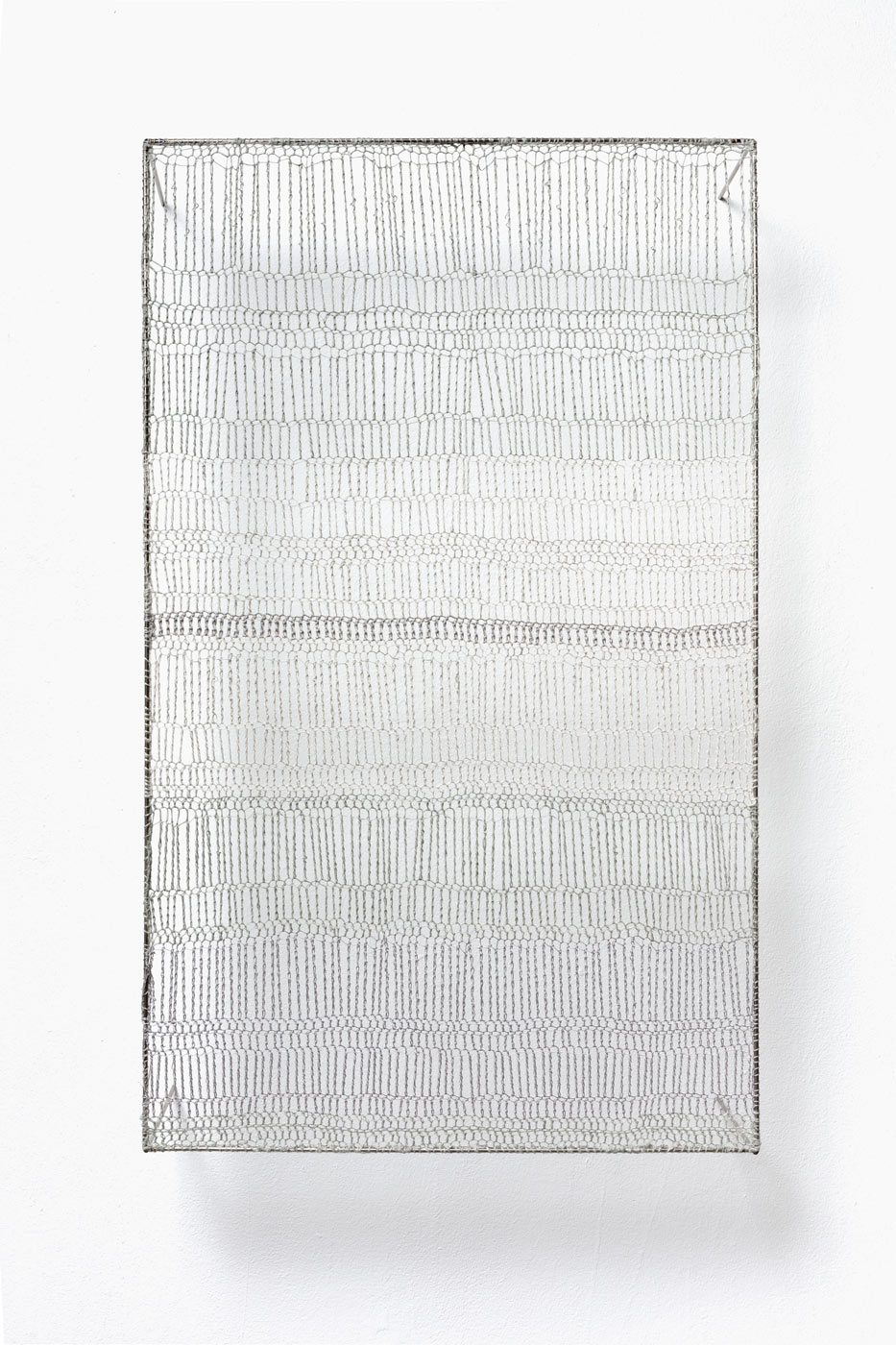
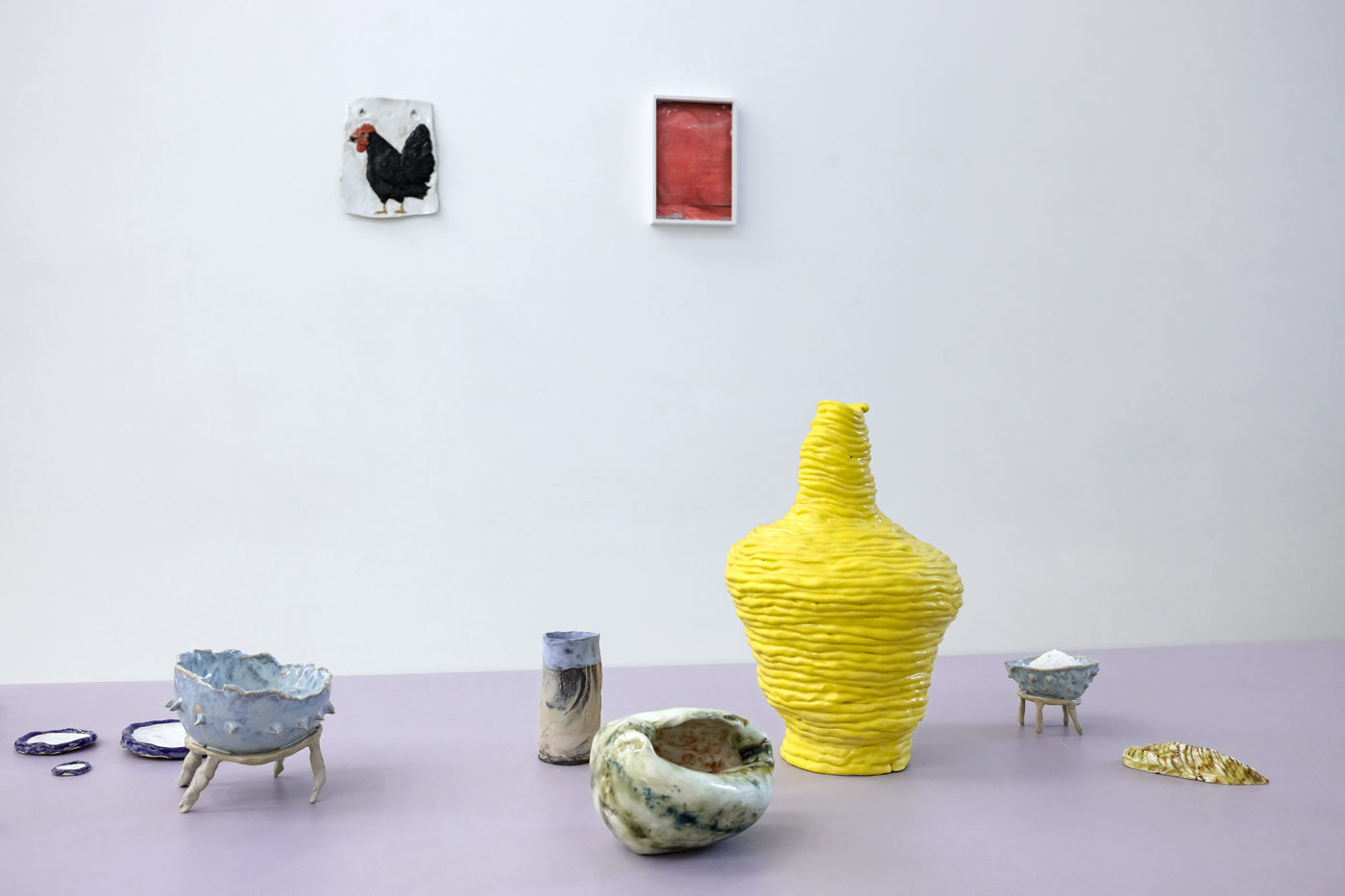
The five crochet works are searching for form. These fragile structures visualise something that has also been fundamental to the making of Bea Meyer’s previous works: permeability. It allows us to enter into an immediate connection with the world, to take it in as free from preconceptions as possible. At the same time, it is this permeability that calls for a frame. A frame that provides support and ensures that one is not swept away by the current of the world’s constant changes.
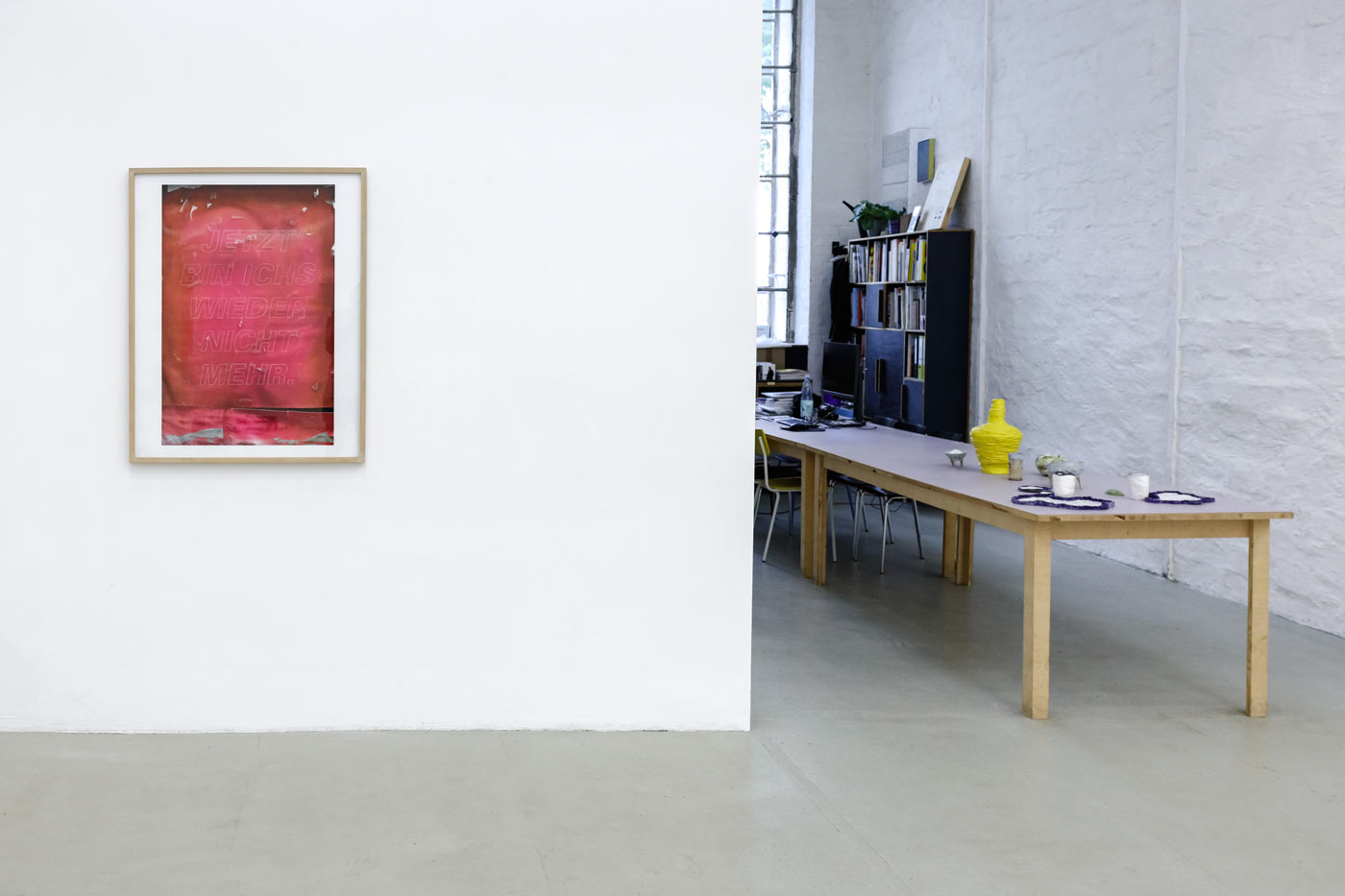
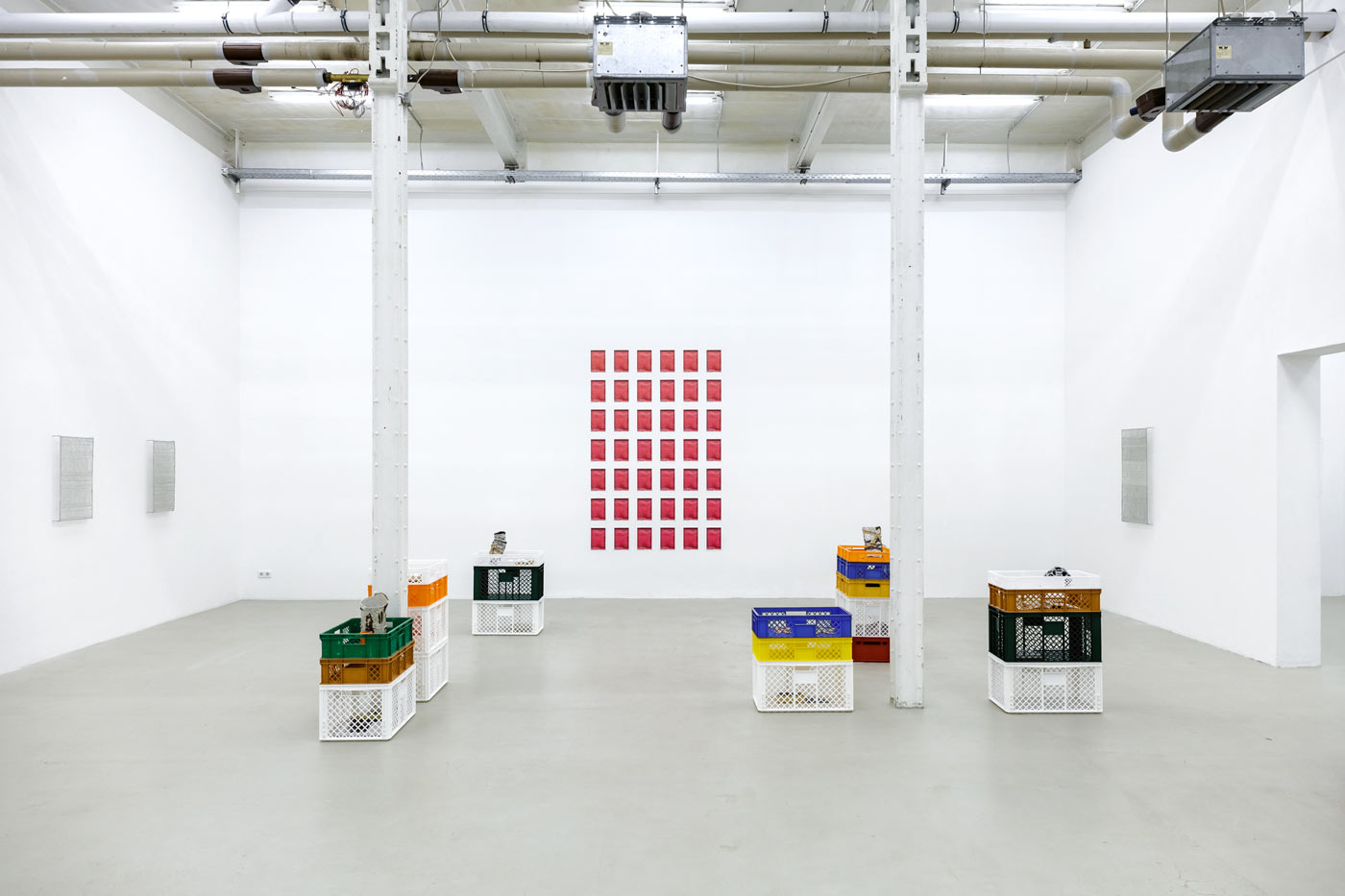
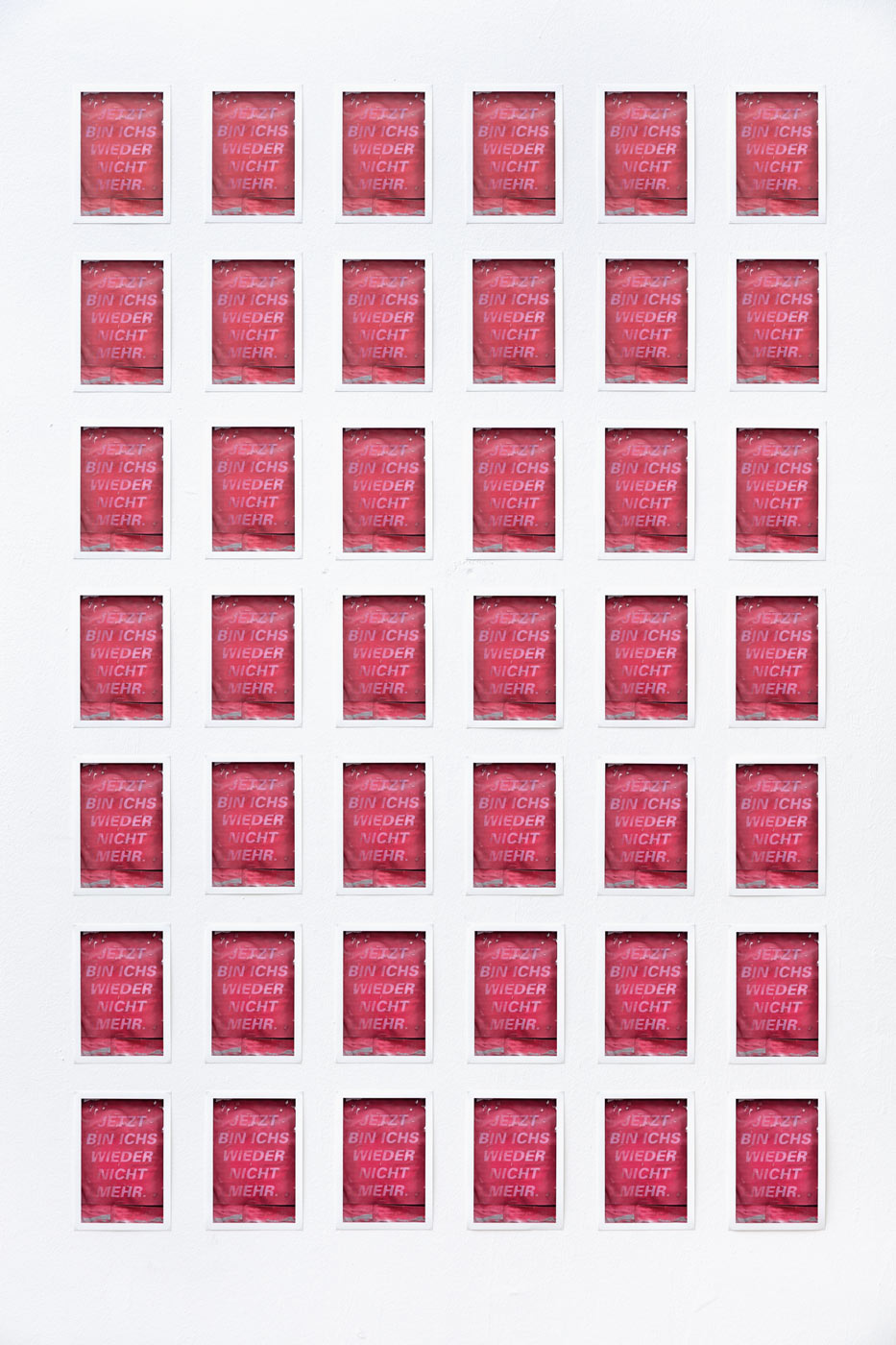
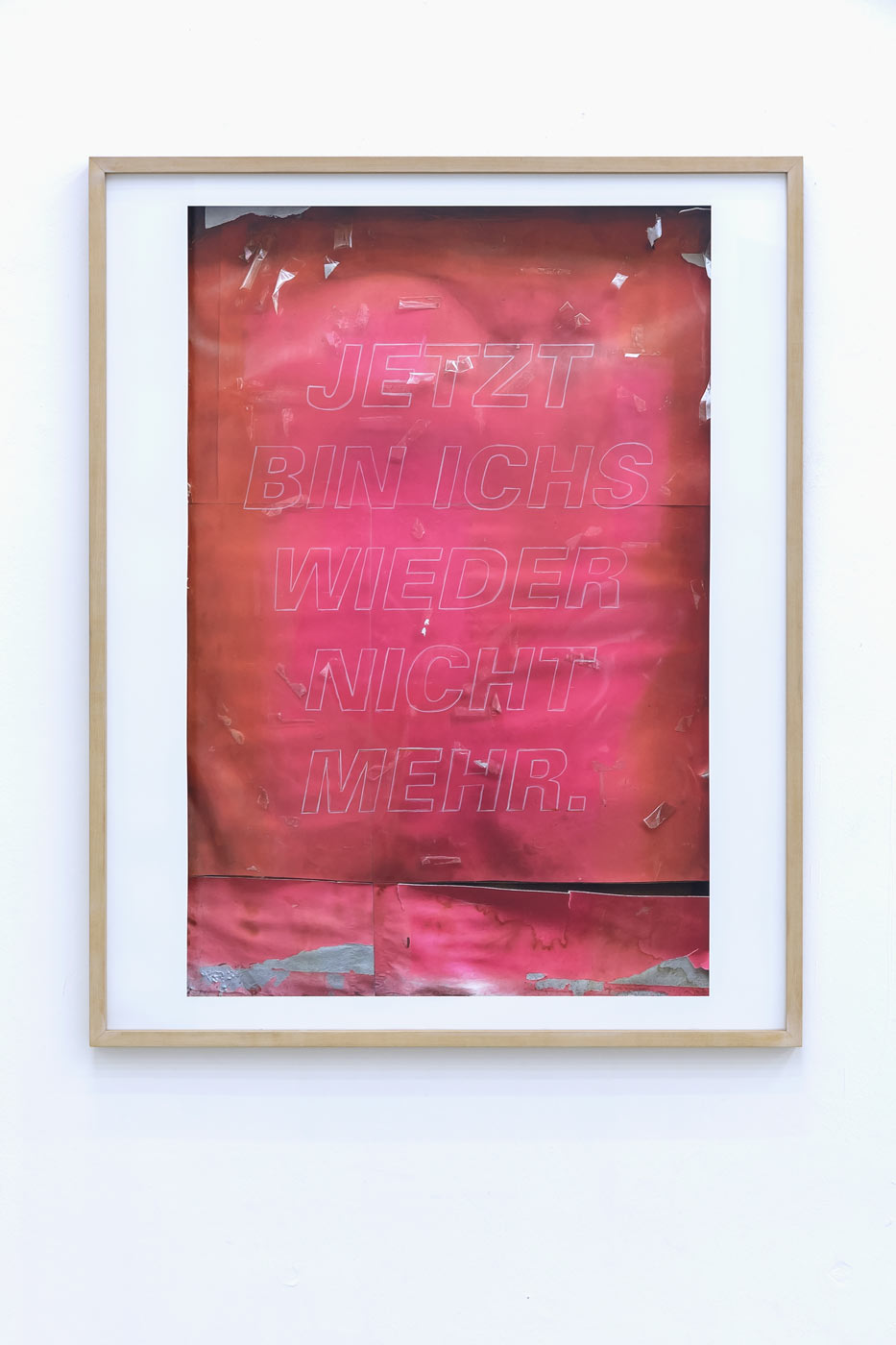
“Waking up without knowing who you actually are and what plans you went to bed with the evening before,” writes Dorothee Elmiger in Aus der Zuckerfabrik. The works in the series JETZT BIN ICHS WIEDER NICHT MEHR. are like an unceasing waking up. This sentence first appeared in Bea Meyer’s work in 2007, on a large mirror lying on the floor and in a small folding hand mirror. At the time, it sounded like a surprised observation. Nine years later, it became a projection onto the Propsteikirche St. Trinitatis in Leipzig. Here, a full stop was added; astonishment became acceptance. And now the sentence appears repeatedly as a block composed of individual images, its base colour once again pink.
Fuchsia. In the plant Fuchsia regia, the two components of the colour are clearly separated: the sepals are bright red, the petals violet. In Bea Meyer’s images, they dissolve into one another, bringing together the beginning and the end of the colour spectrum and thereby revealing the colour’s connection to Janus, the god of beginnings and endings. And of doors, of transitions. Set in outline lettering, the full stop at the end of the sentence becomes a wide-open door.
Timea Tankó, August 2026
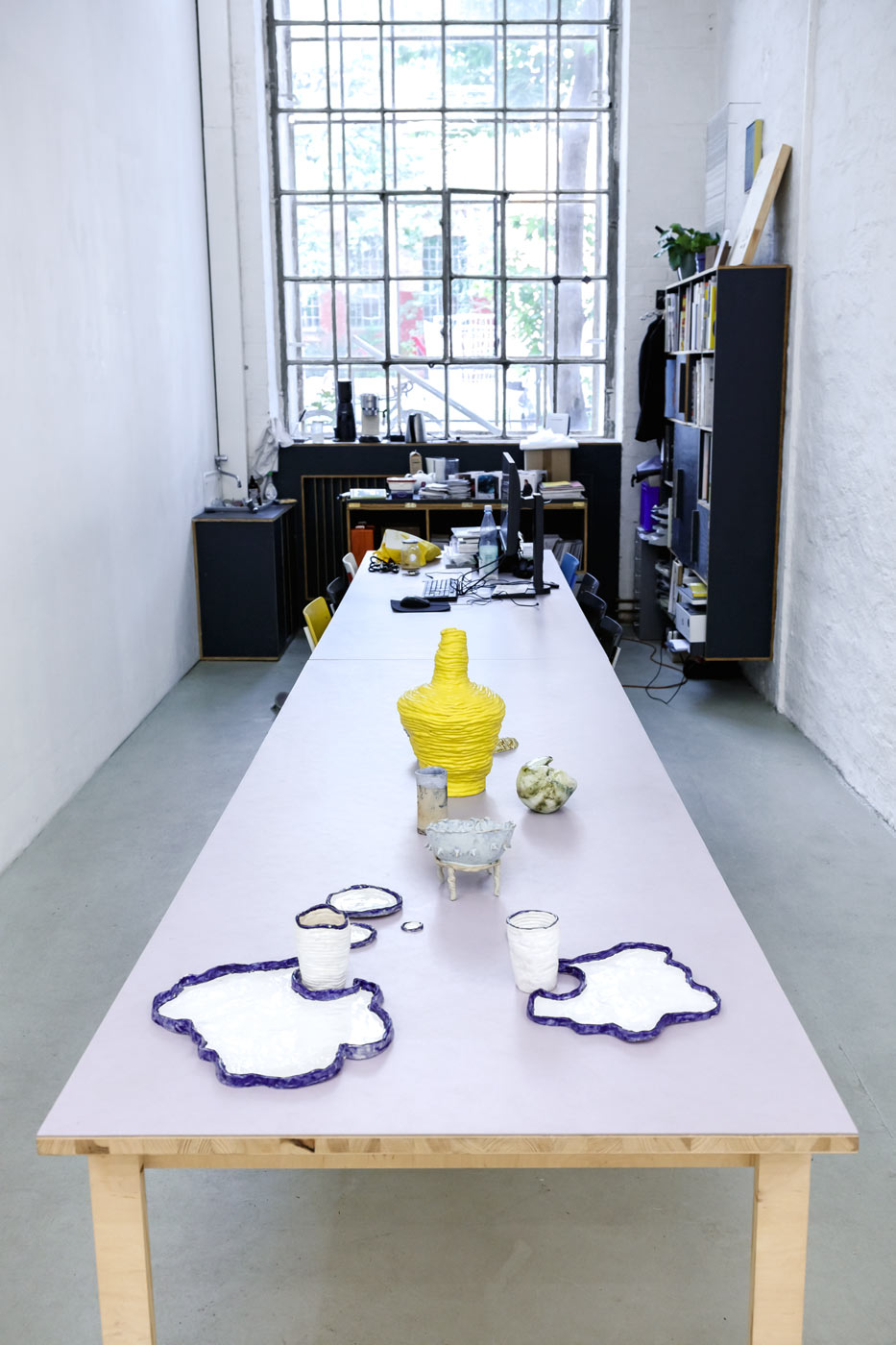
Karoline Schneider
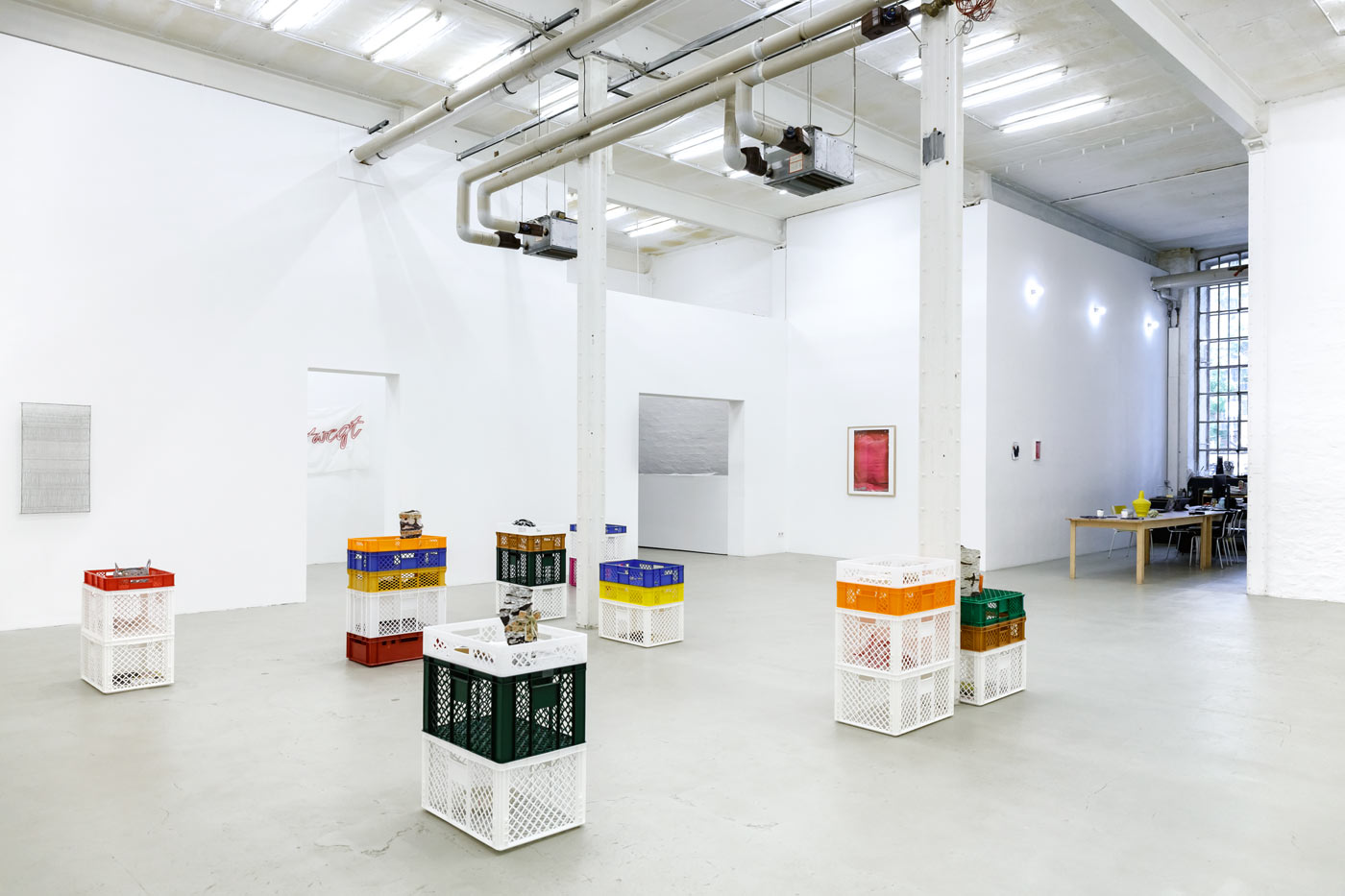
Infrastructures [Latin: infera – beneath / systema – to join together] are often seen as a foundation—as something that simply exists. But infrastructures are shaped. They pump, channel, clog, and drip. They exist only as long as they are maintained.
I view traditions as infrastructures—pipeline systems that convey meaning. They connect the past with the present and point toward expectations for the future. Pipelines are not static; they require maintenance and a dynamic flow. When the flow stops, they rust from the inside; when they become too rigid, they burst. These systems were not necessarily planned consciously. Many have evolved over decades—from rules, moral values, customs, and relationships. They hold a fabric together, often unnoticed, until something fails. Only then do we recognize these structures.
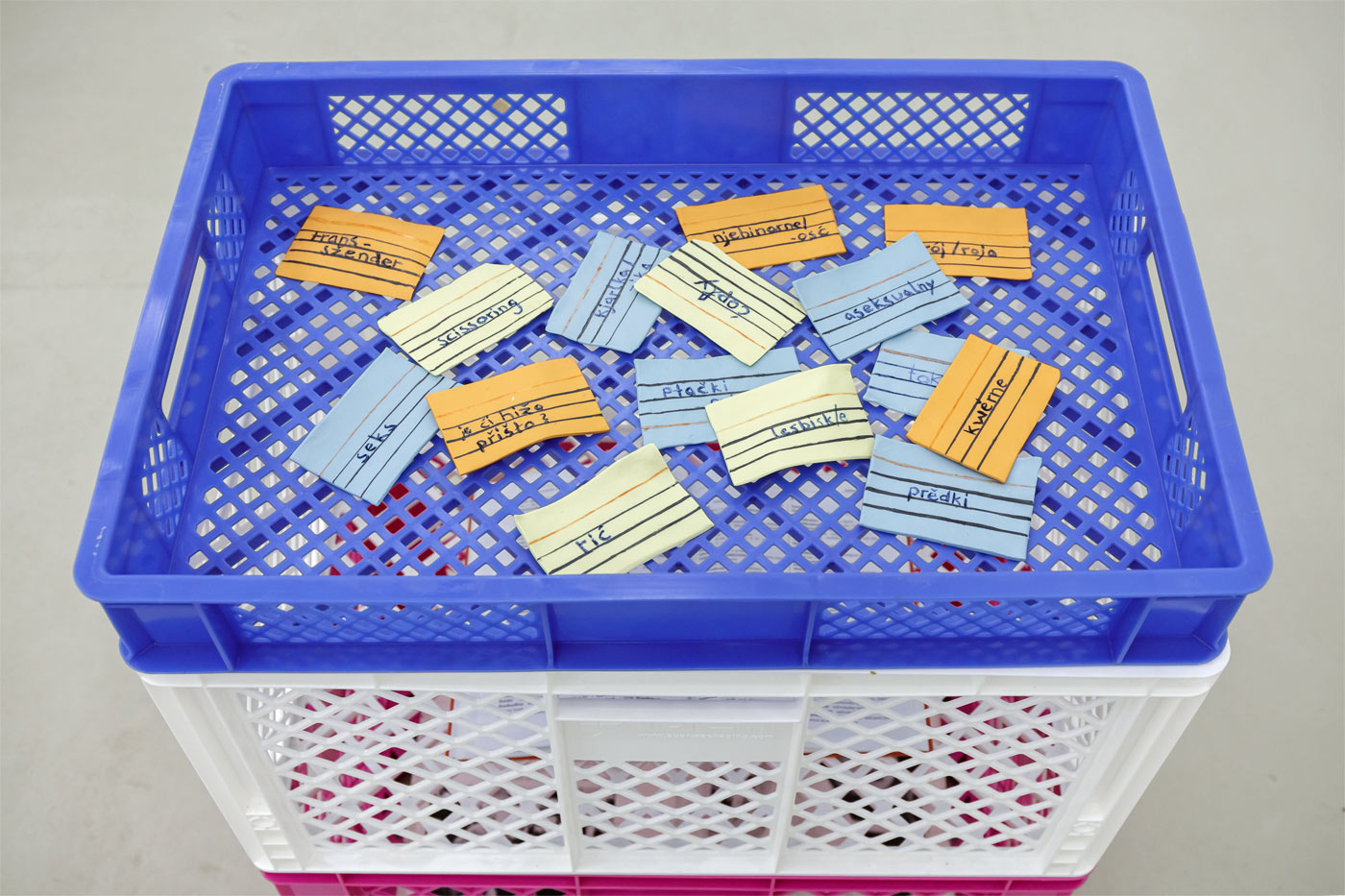
In Lower and Central Lusatia, invisible and visible pipe systems collide. On one side: Sorbian traditions. Language systems, dress codes, rituals that run through villages like fine capillaries. On the other side: the open-pit coal mines. Massive, industrial systems that tear open the earth to extract energy. This infrastructure devours other infrastructures. It interrupts flows. It shatters continuity. Yet the traditional systems do not simply collapse; they adapt.
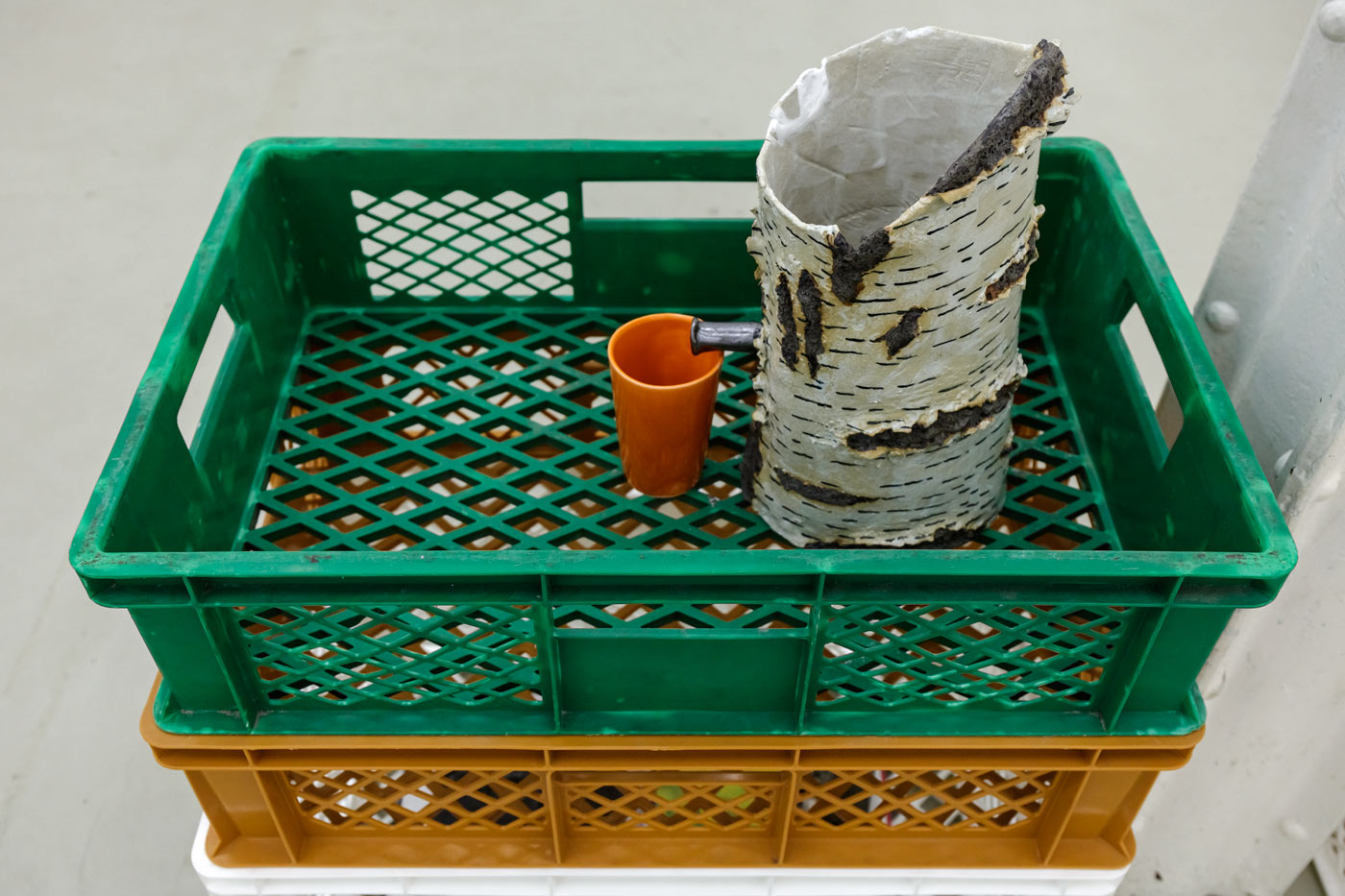
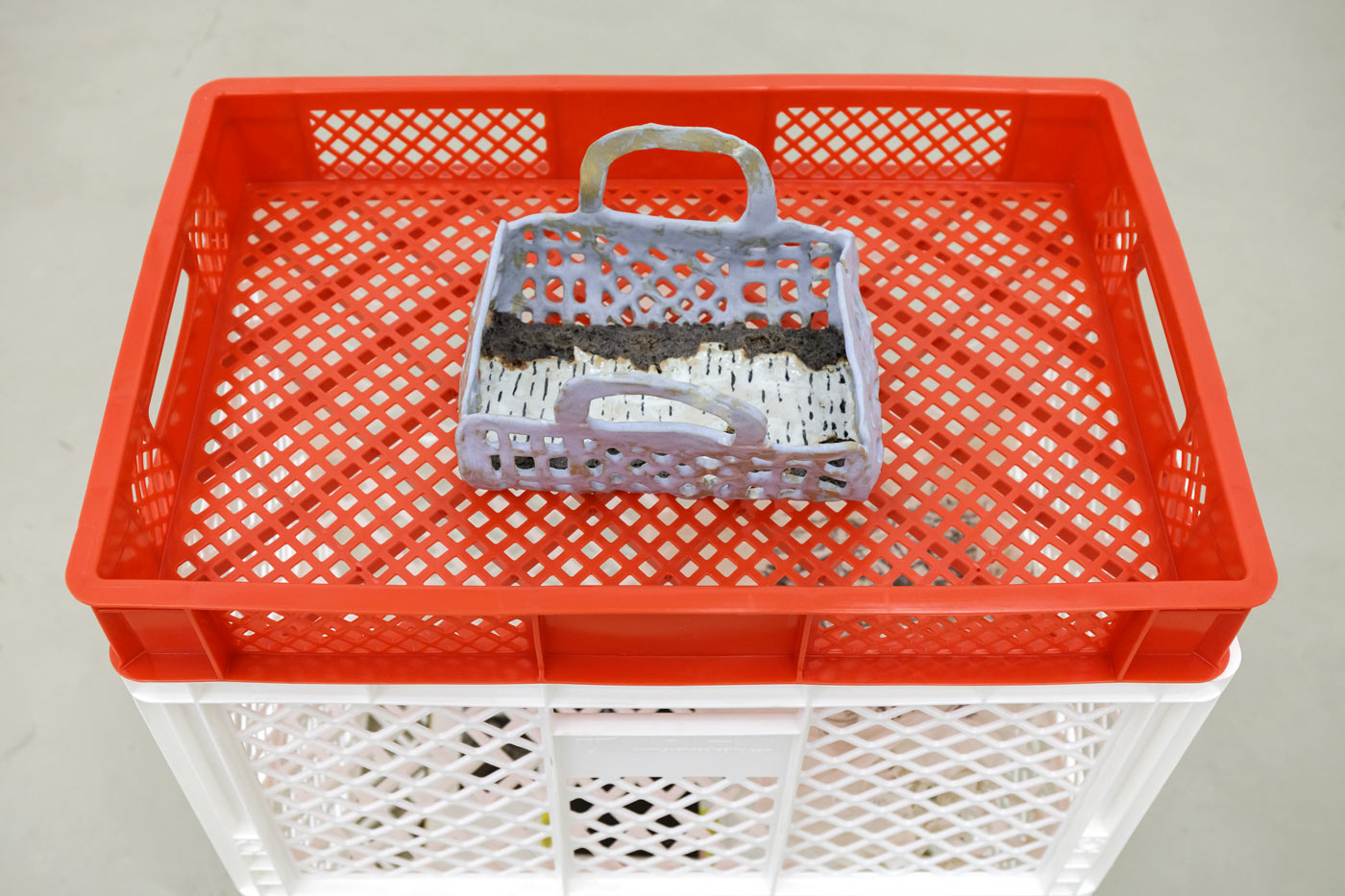
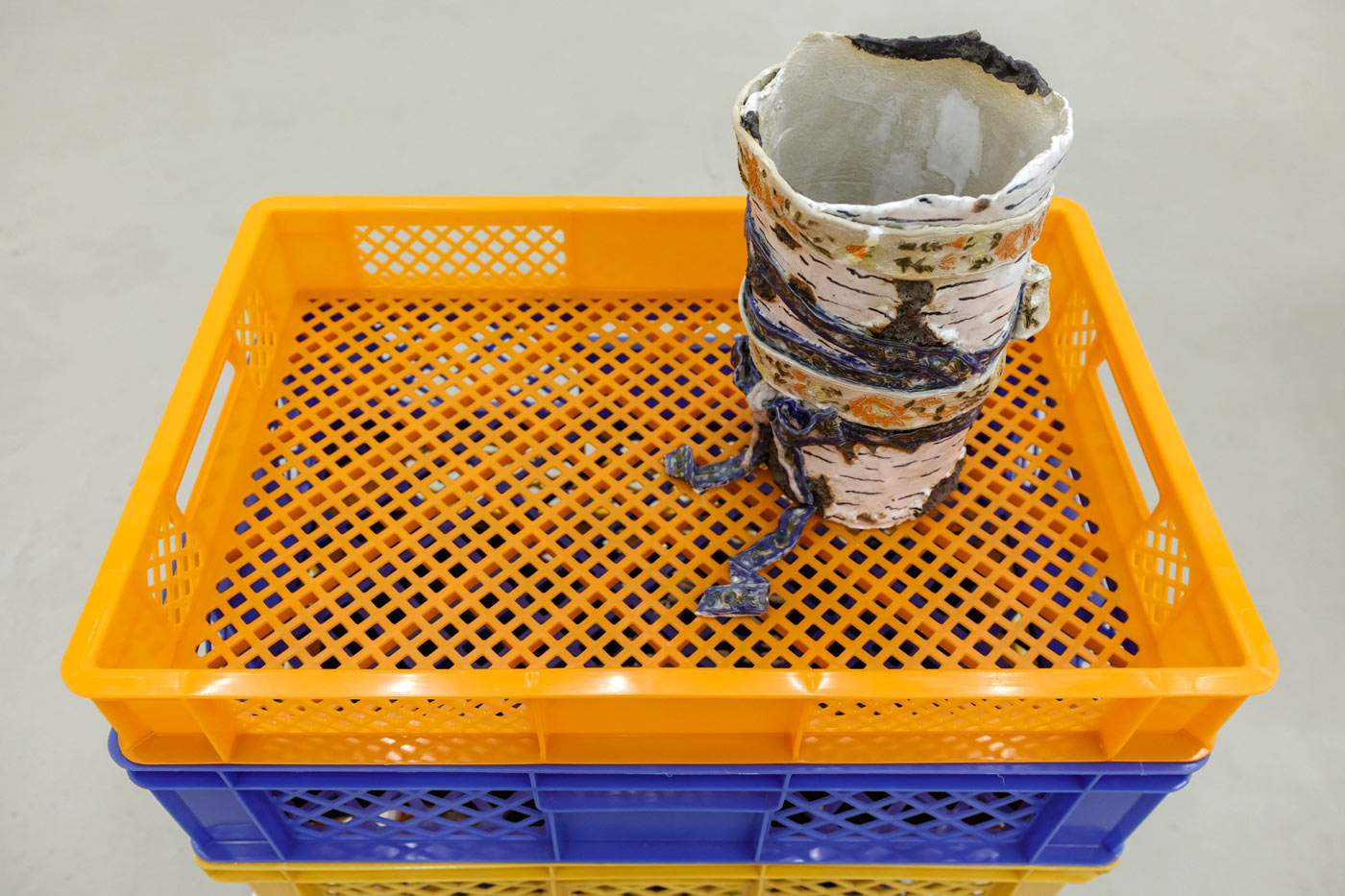
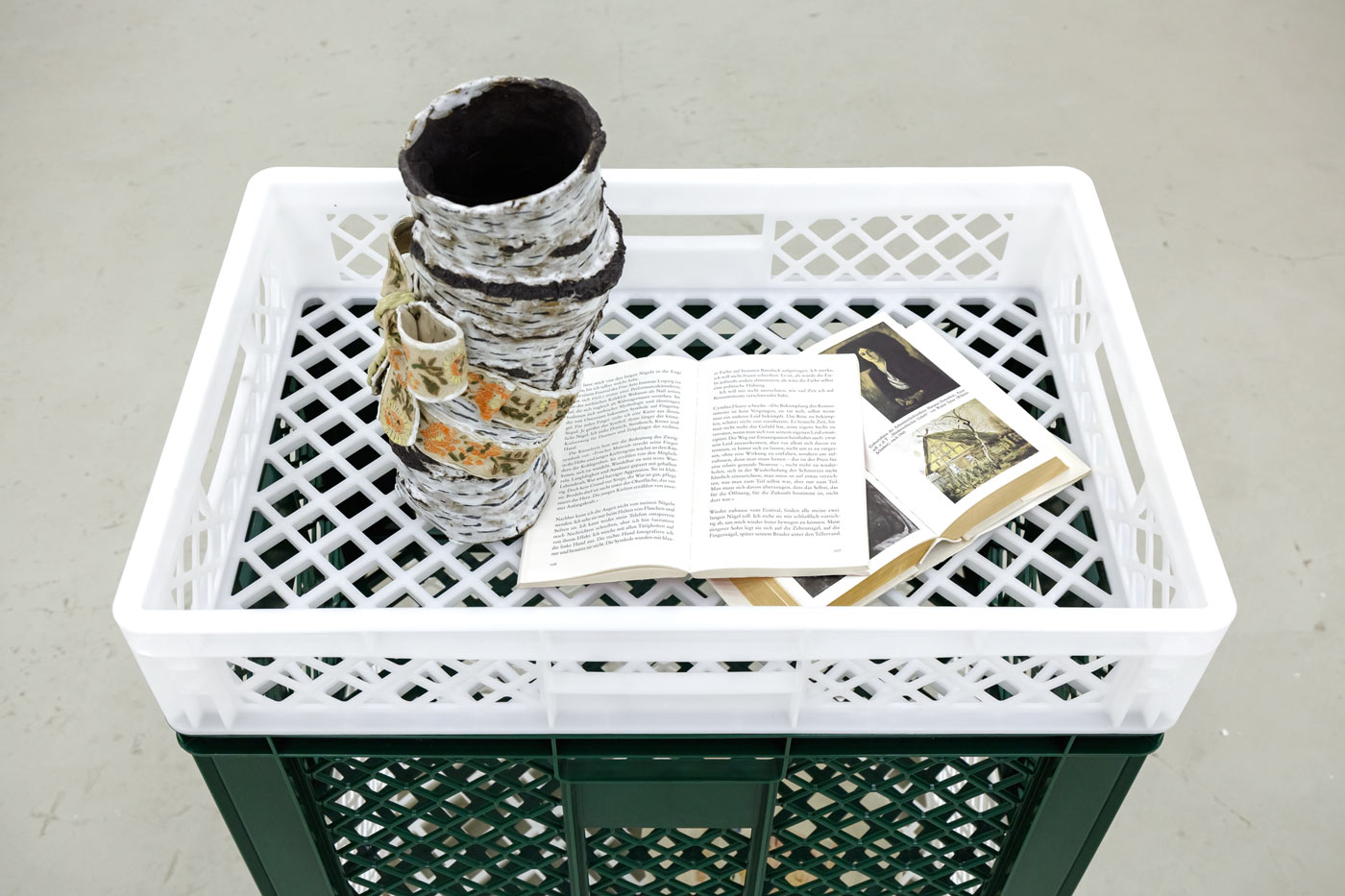
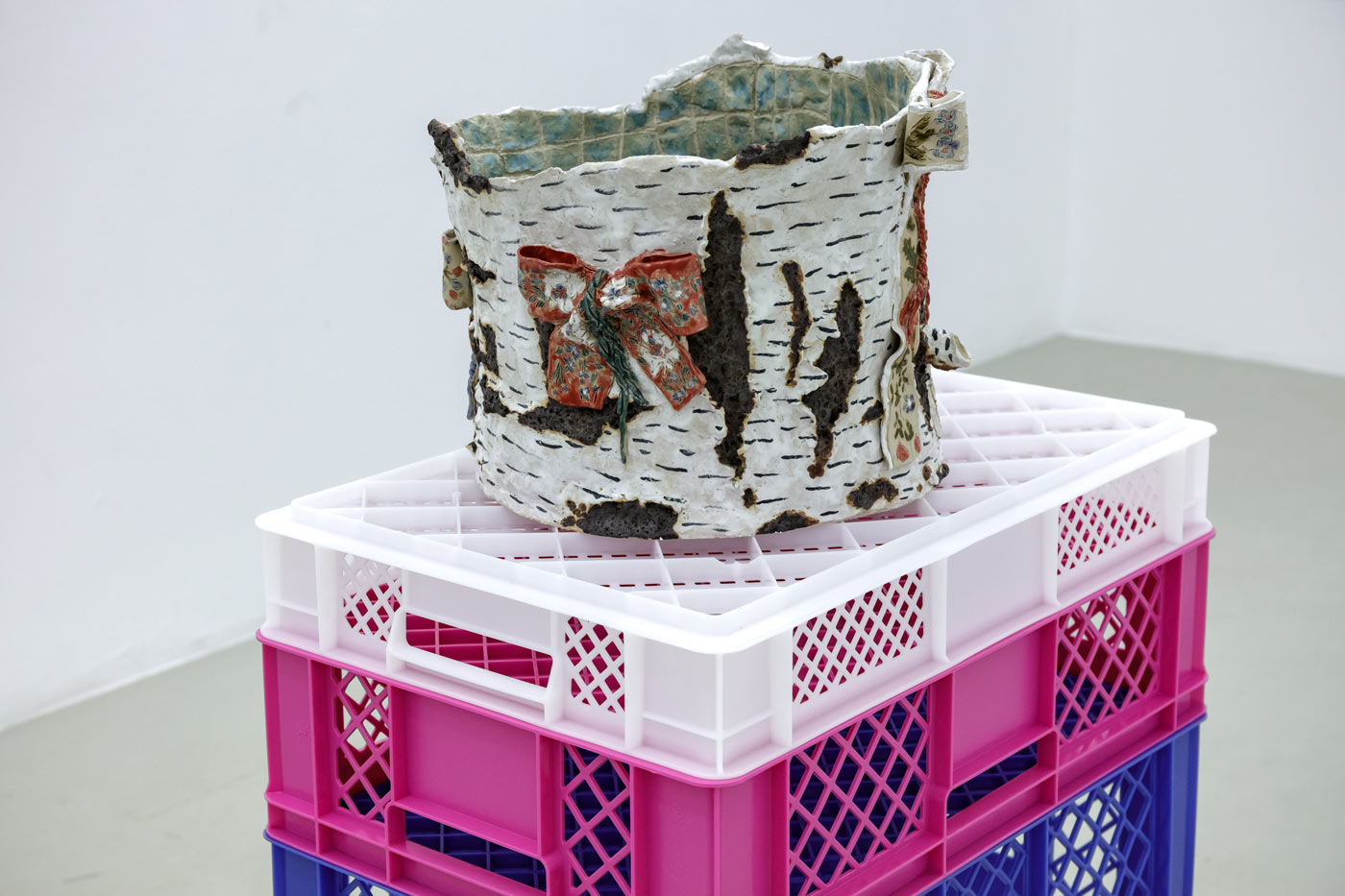
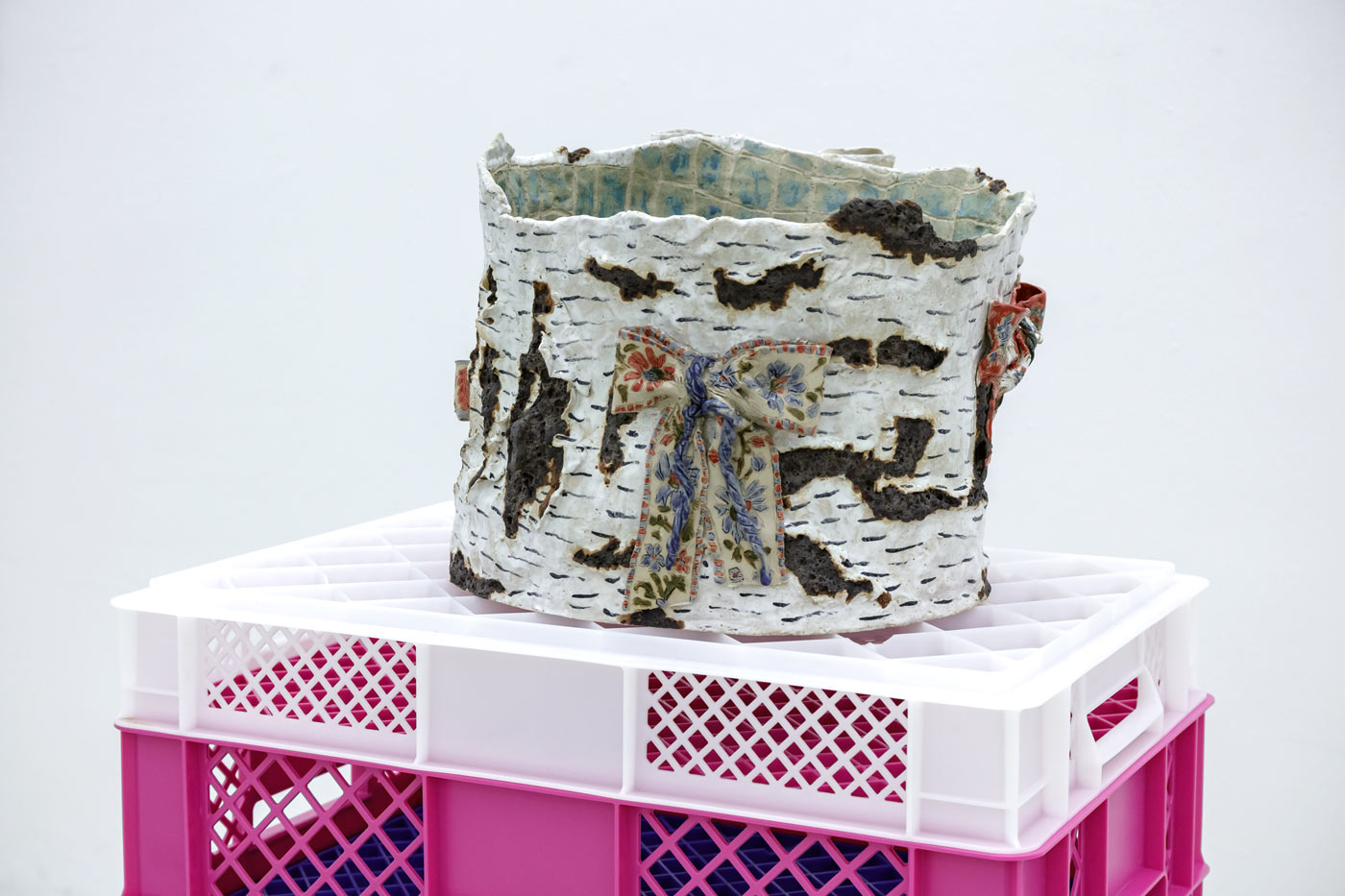
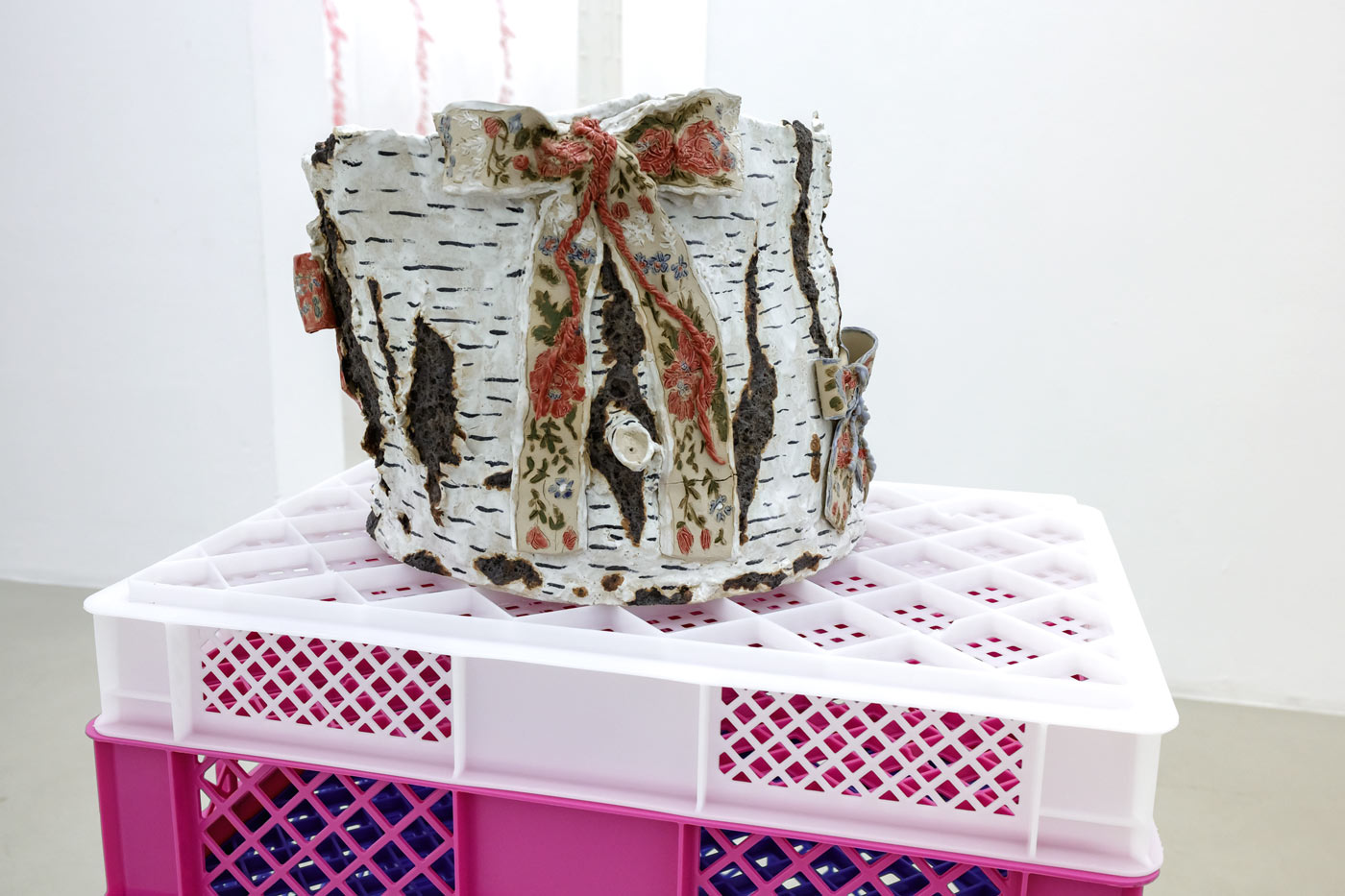
Birch trees grow at the edges of the open-pit mining pits. Pioneer plants on cultural wastelands. In my work, they become new conduits. They grow right through the destruction. Their wood embodies the experience of disappearance and new beginnings. They show how Sorbian/Wendish identities continue to grow today in all their contradictions. Sometimes internally tiled, assimilated over centuries. Sometimes exploited.
As with everyone else, perpetrator and victim are intertwined within every Sorbian/Wendish person. In open-pit mining, as one’s own village is excavated, the “first” and “second” bodies intermingle here, as Daisy Hildyard describes:
Every living thing has two bodies these days – you are flying into the atmosphere and back down to the ground right now, but you can’t feel it. You breathe something in, and what you breathe out is something else. Your first body is […], the place you live in, made out of your own personal skin. Your second body […] is a body which is not so solid as the other one, but much larger. This second body is your own literal and physical biological existence – it is a version of you. It is not a concept, it is your own body. The language we have at the moment is weak: we might speak vaguely of global connections; of the emission and circulation of gases; of impacts. And yet, at some microscopic or intangible scale, bodies are breaking into one another. The concept of a global impact is not working for us, and in the meantime, your body has already eaten the distance. (Hildyard 2017)
The effects of our everyday lives are rarely directly visible or palpable in (western) realities. The open-pit mine is a rare place where everyday life (first) and global reality (second body) overlap. Birch and pine trees stand at the edge.
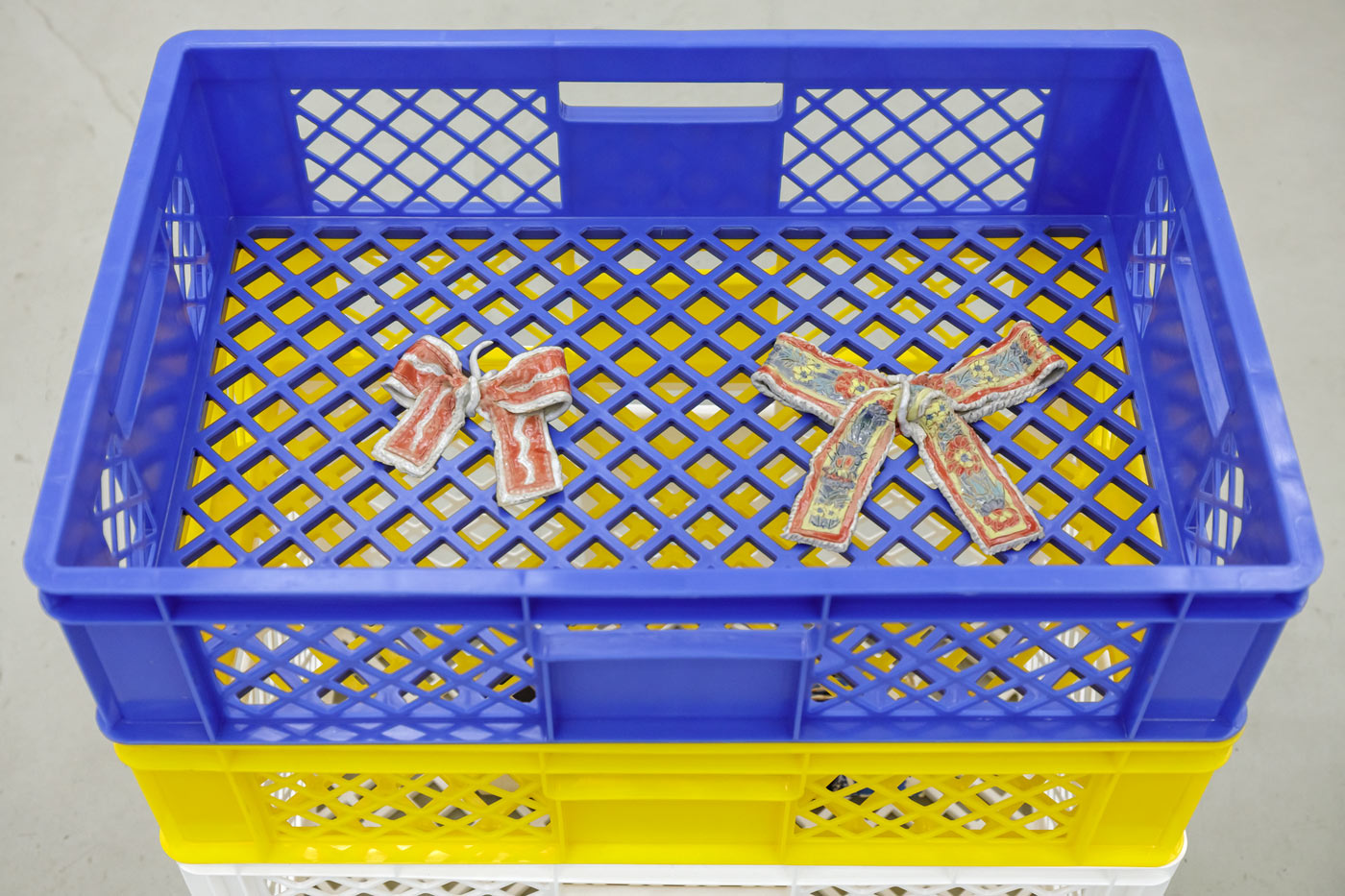
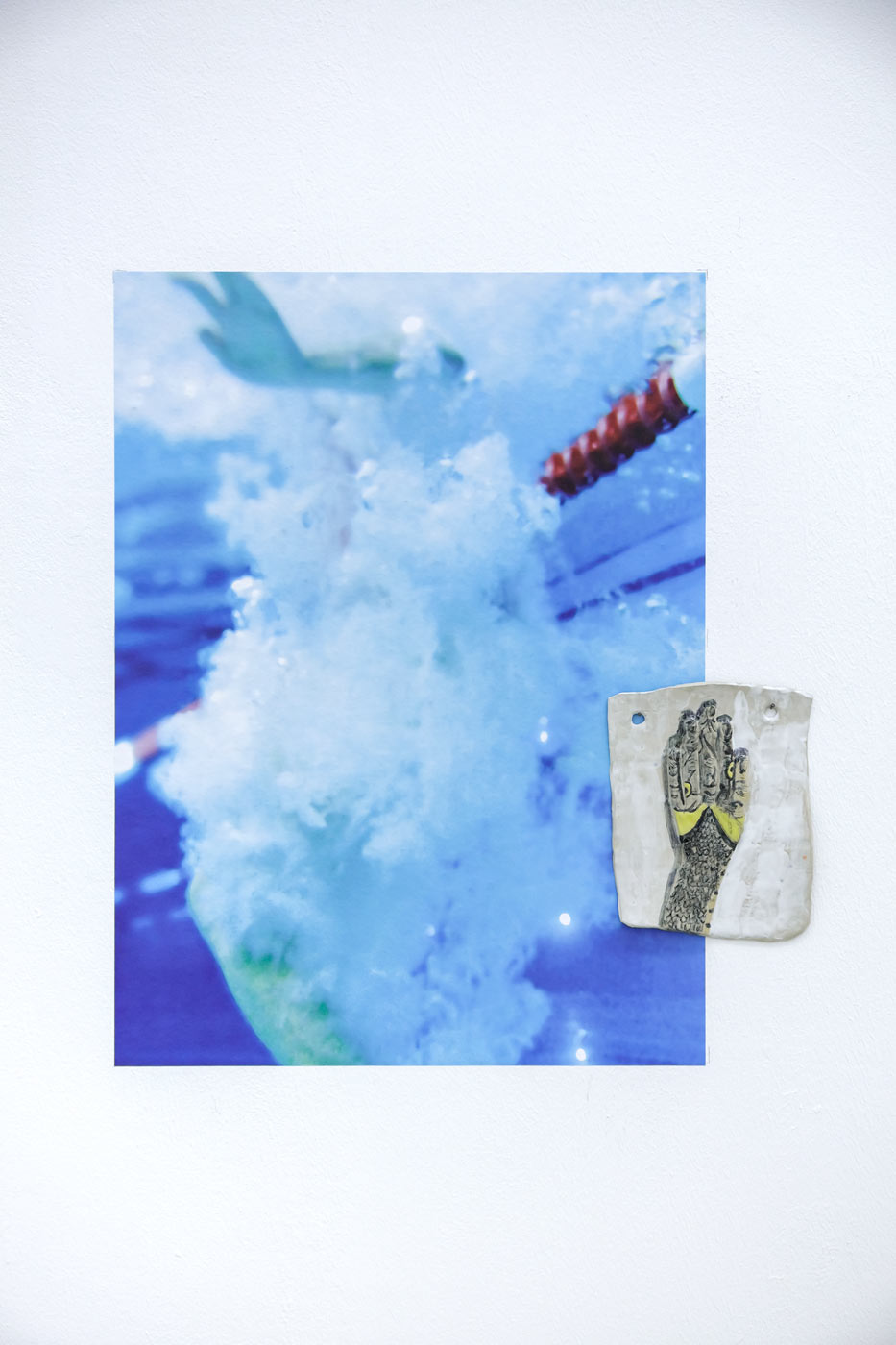
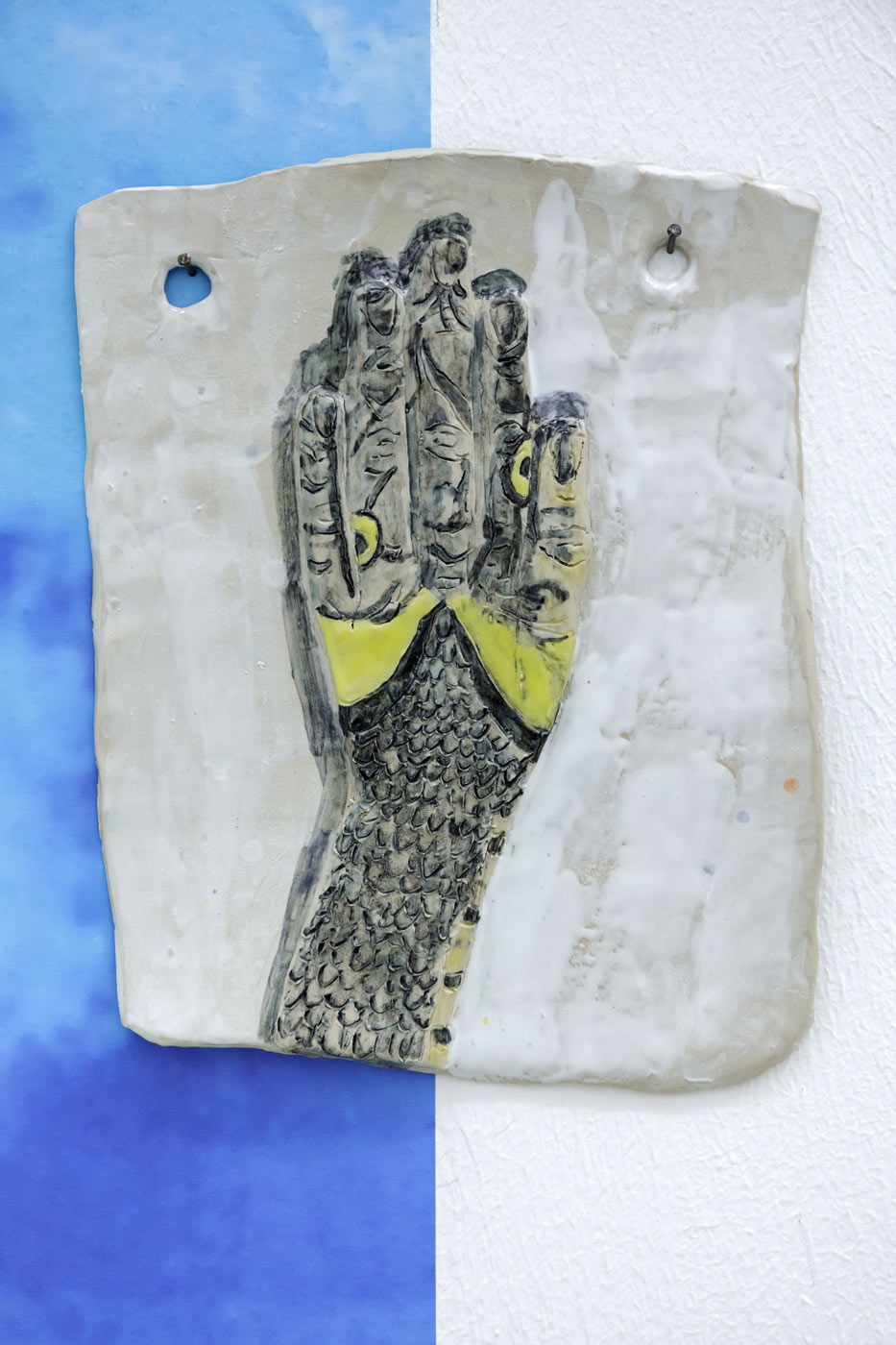
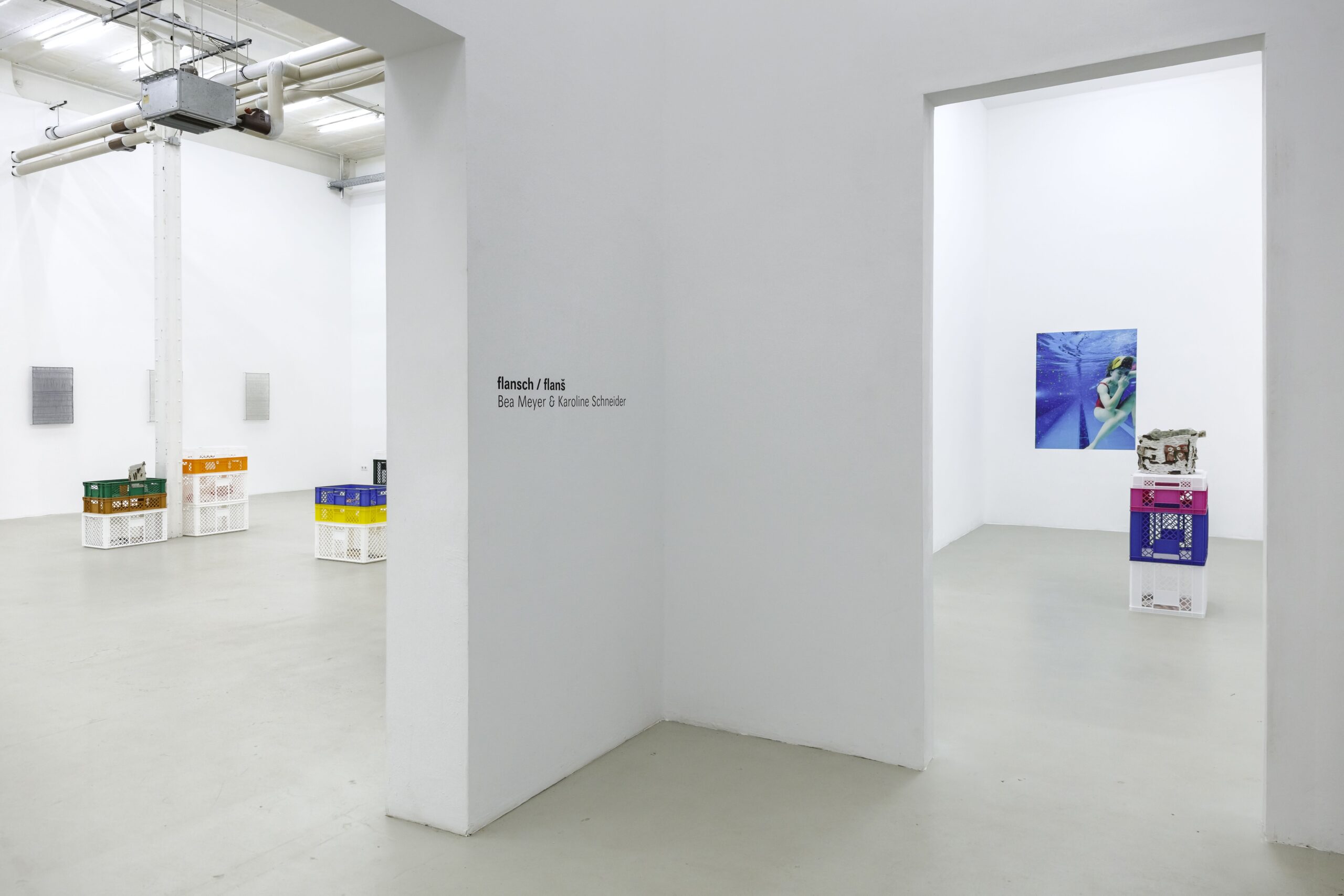
The birches are adorned with traditional ribbons from Central Lusatia—remnants, what is still tangibly present, a symbol of resistance. These ribbons are not relics. They are connections (flanges / flanš) to what remains.
Karolina Krawcec / Karoline Schneider, 2026